Does Homeowners Insurance Cover Mold in Waxhaw?
On this page
Sometimes, and only up to a limit. Waxhaw is in Union County, North Carolina, so start with the standard North Carolina homeowners form, filed by the North Carolina Rate Bureau. That form covers mold only when a covered peril, like a burst pipe, causes it during the policy period. All reasonable means also have to be used to protect the house from further damage. Even then, the form pays up to a total of $5,000 for the mold part of the loss.
That $5,000 limits the mold part, including any extra loss the mold causes. The rest of a covered water loss is not held to it.
We dry homes after leaks and take care of removing mold and repairing what it damaged. Whether a claim gets paid, and how much, is your insurance company’s decision. Below, we walk through each condition, then slow leaks, first steps and what to do if a claim is denied.
What Has to Cause Mold for a Homeowners Policy to Cover It in Waxhaw?
A covered peril has to cause it. A peril is the cause of a loss. Fire and wind are perils, and so is water that accidentally pours out of a plumbing system or appliance. On the standard North Carolina form, mold coverage applies only when all three of these are true:
- The mold is the direct result of a covered peril.
- That peril happens during the policy period.
- All reasonable means were used to save and protect the property from further damage, when the peril happened or after.
If any one of the three is missing, the form’s mold coverage does not apply. The three conditions come from the North Carolina special provisions endorsement, form HO 32 32, in its 06 12 edition. Look for that form number in your own policy.
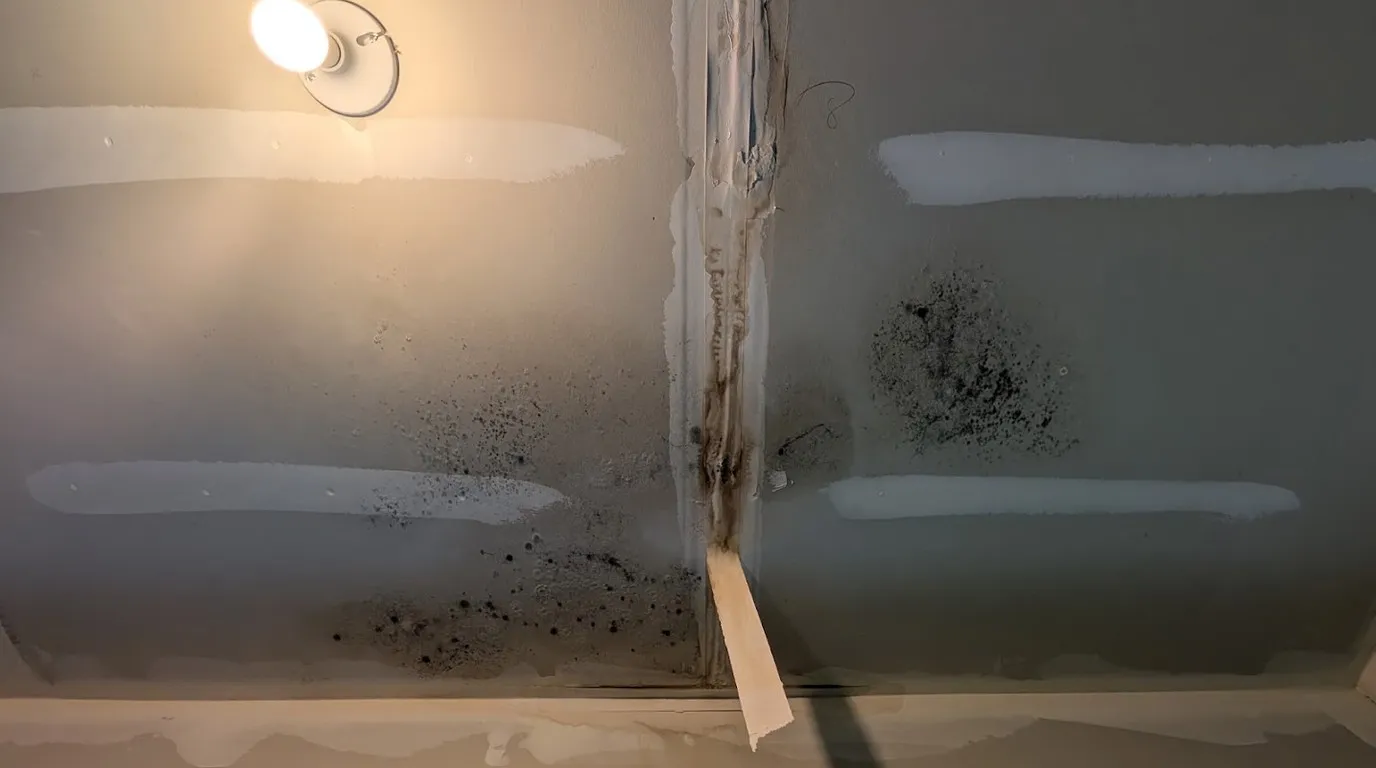
Two ceilings can show the same mold. One got it from a pipe that burst last week, and the other from a slow drip that ran all winter. The covered-peril test looks at that cause, not at how the mold looks.
So the first question is whether the water that fed the mold came from a covered peril. Our post on which kinds of water damage a homeowners policy usually covers lays out that rule.
The policy period matters, too. For example, say you buy a house in Waxhaw and find mold behind the washer in the first month. If the leak that fed it happened before your policy started, the form’s mold coverage does not reach it.
The third condition is about what you do once water shows up, and the section on first steps below covers it.
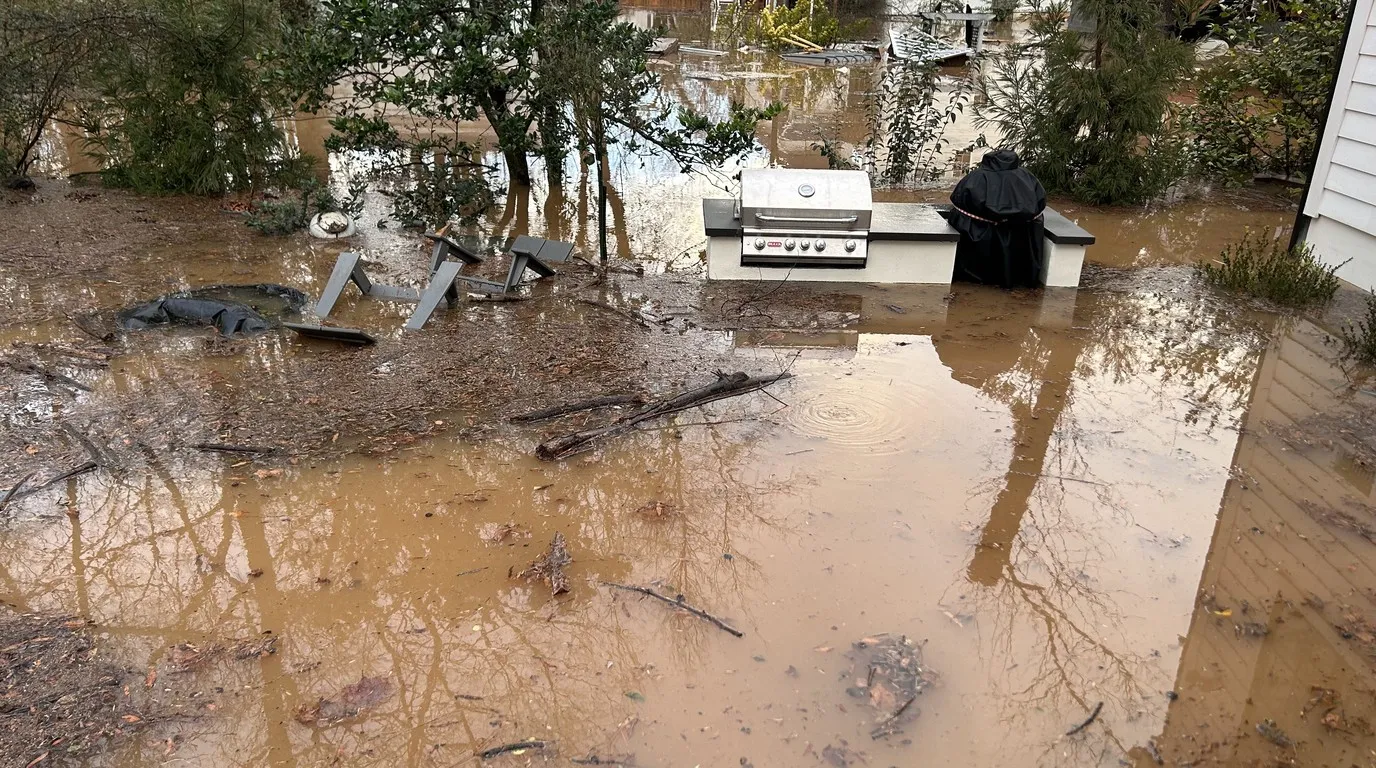
Flood is a separate question. Flood damage falls outside a homeowners policy, as the North Carolina Department of Insurance (NCDOI) points out. Our post on flood insurance outside a flood zone explains the separate policy that covers flood.
How Much Mold Coverage Does a Homeowners Policy Include in Waxhaw?
On the standard North Carolina form, mold coverage pays up to a total of $5,000. The form’s word for mold is “fungi,” which it defines to include mold and mildew. The same $5,000 also covers wet or dry rot and bacteria.
The trigger is the same as above: a covered peril during the policy period, and all reasonable means used to protect the house. Under the form, this is also the only coverage for mold. That $5,000 has to pay for all of these:
- Mold damage to the house, to other structures like a detached garage, and to your belongings.
- Removing the mold.
- Tearing out and replacing parts of the house to get to the mold, like a section of drywall or a cabinet.
- Testing for mold, but only when there is a reason to believe mold is there.
- The extra cost of keeping your normal standard of living, like a hotel, if mold makes the home unlivable.
Two details are easy to miss. No deductible applies to this mold coverage. And the $5,000 is the most the form pays in total, however many claims are made.
The $5,000 does not cap the whole claim, though. Covered damage that mold did not cause is not held to it. Only the mold part, and any extra loss the mold causes, counts against the $5,000.
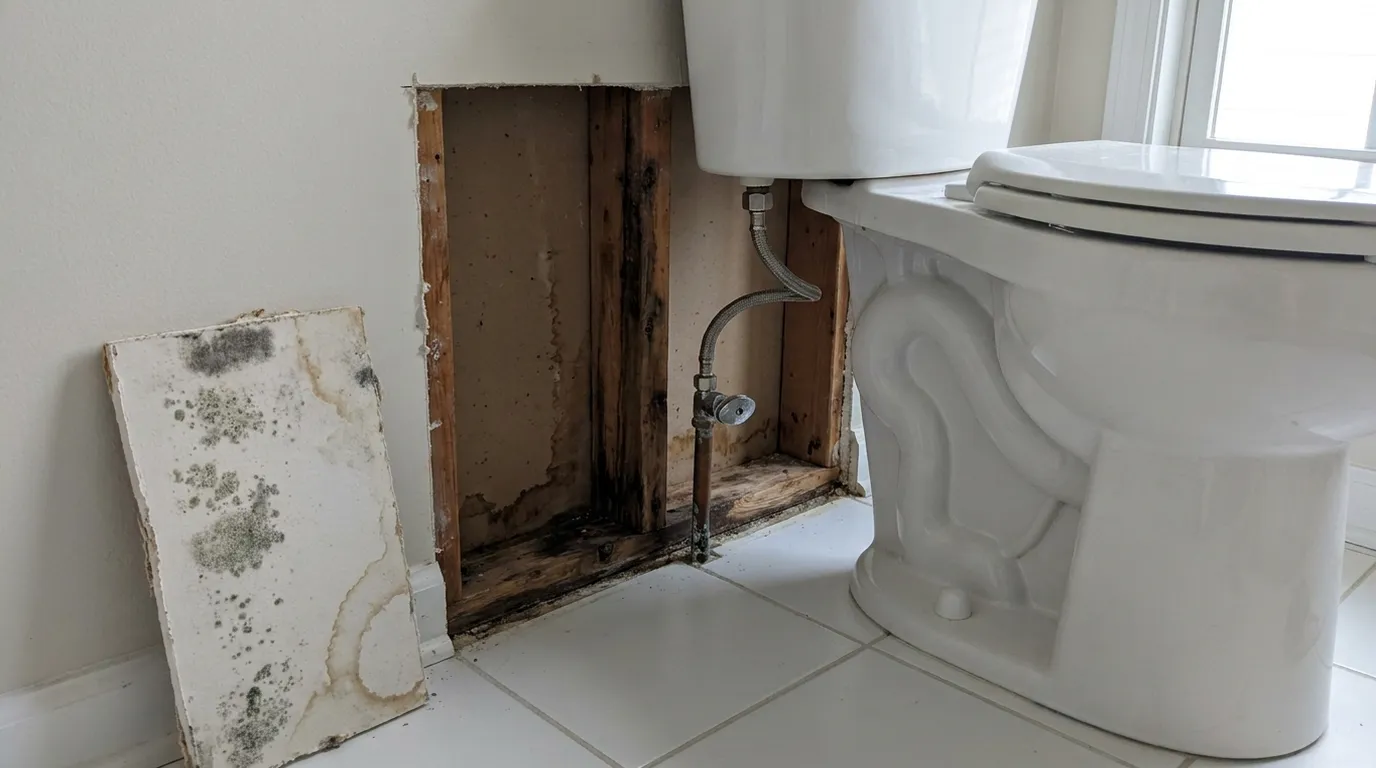
For example, say a supply line bursts inside a bathroom wall in Waxhaw. By the time the wall is opened, mold has started on the back of the drywall. Drying the wall and replacing the wet drywall and flooring would be water damage from a covered peril. That part is not held to the $5,000. Removing the mold, and any extra tear-out it takes, would count against it. How a real claim splits between the two is your insurance company’s call.
We do not do mold testing ourselves. Where testing before and after the work is agreed at the start, an independent lab decides whether the job passed.
Your own policy is what counts. Read your declarations page and the endorsements attached to it, and look for the fungi terms. Some policies use a different program or form, and their mold terms can differ. Whether your insurance company sells a higher mold limit is a question for your agent.
The form is also changing. Policies that start or renew on or after June 1, 2027 move to North Carolina’s 2027 homeowners program. That program includes a revised version of this form, so check the mold terms again at that renewal.
Does Insurance Cover Mold From Humidity or a Slow Leak in Waxhaw?
Not on the standard North Carolina form, when the water or moisture went on for weeks, months or years. The form lists that kind of slow leak or humidity among the causes of loss it does not insure. That wording names two things:
- Water that leaks, seeps or discharges over and over, like a drip under a sink.
- Humidity, moisture or vapor that hangs in the air or condenses on surfaces.
Either one is left out when it goes on “over a period of weeks, months or years,” in the form’s words.
Mold from that kind of leak or humidity generally falls outside the $5,000, too. That is because the mold coverage pays only when a covered peril is behind the mold. The same goes for rot that a slow leak causes. Your insurance company makes the call on your claim.
For example, a slow drip under a kitchen sink that soaks the cabinet floor for months fits that wording. So does condensation that drips from ductwork in a crawl space all summer. A supply line that bursts all at once is a different kind of event.
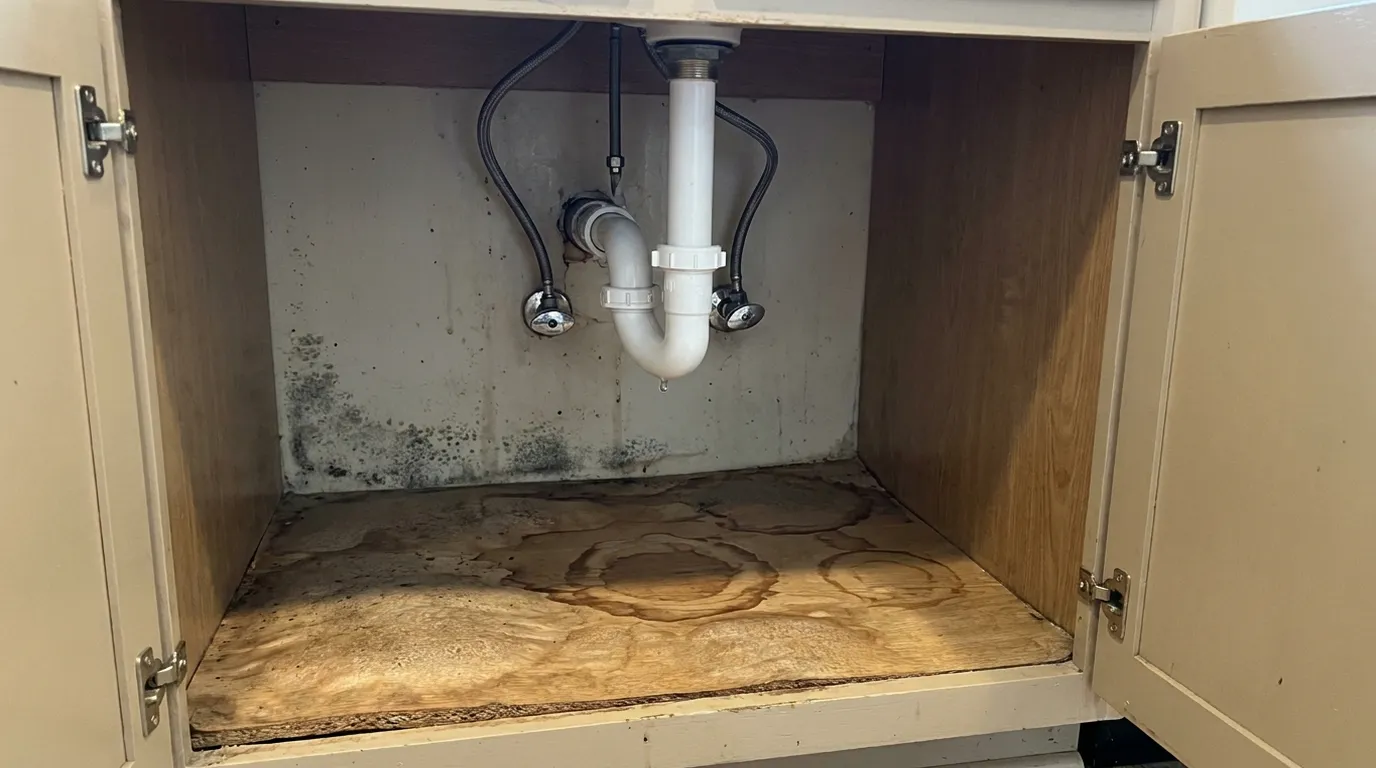
The wording turns on how long the water went on, and the form does not put an exact number of days on it. So the timeline matters: when you first saw the water or the mold, and what you did next. Write those details down while they are fresh.
If mold from a slow leak or humidity is not covered, the cost is yours. The moisture source needs fixing too, or the problem can come back. If the source is a leak, a plumber fixes it, and we dry the area and take out the mold. The estimate is free, and you decide whether any work goes ahead.
What Does Your Policy Expect You to Do First After a Leak in Waxhaw?
Protect the house from more damage right away, and keep a record of what you do. The form’s mold coverage depends on it, since all reasonable means have to be used “to save and protect the property from further damage.”
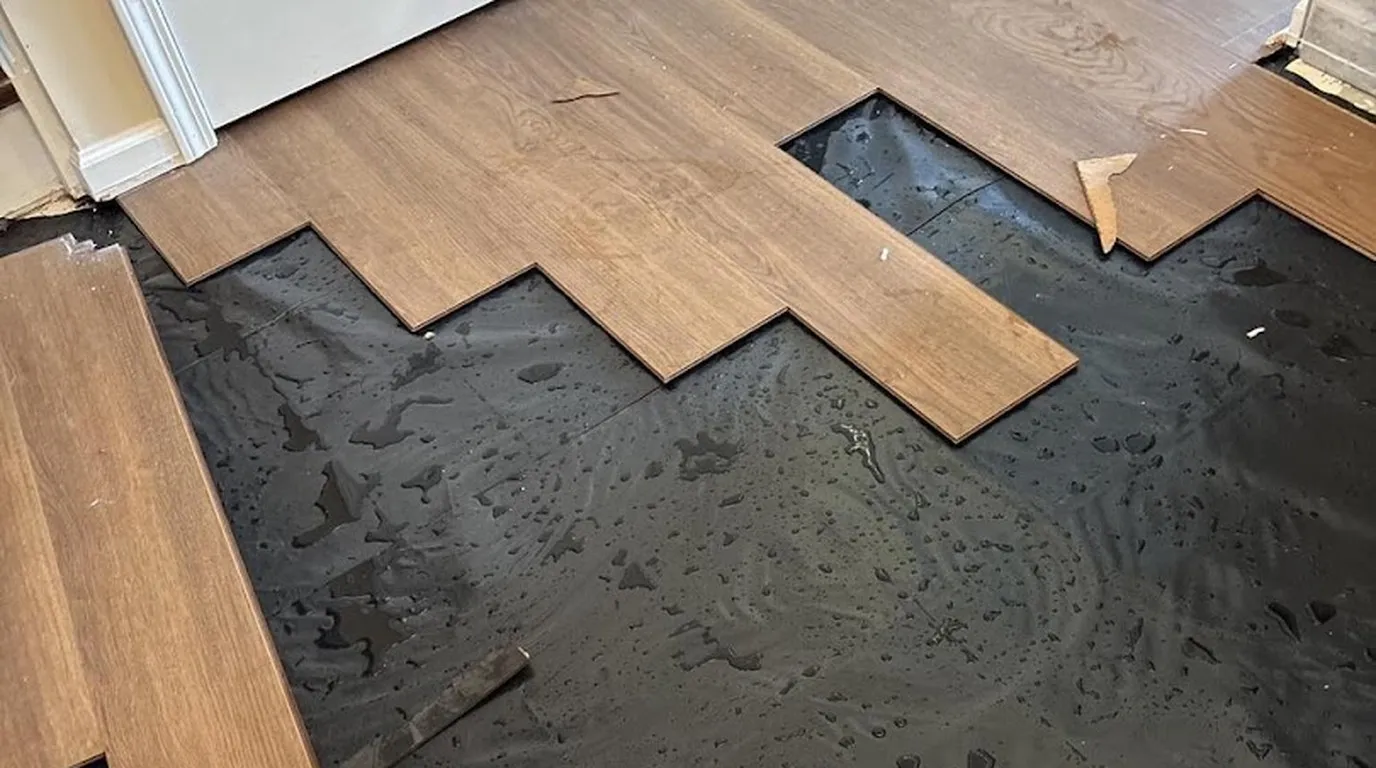
For a leak, protecting the house mostly means getting the water out and drying the house. Left wet, drywall, insulation and subfloor are where mold can start. Our post on how long mold takes to grow after water damage covers how fast that can happen.
For example, say a washing machine hose splits while you are at work. By the time you get home, water has soaked into the drywall and under the flooring. Getting that area dried quickly is part of protecting the house, which the form’s mold coverage requires.
North Carolina homeowners policies also require prompt notice of the loss and reasonable emergency repairs to prevent further damage. Photograph the damage before and after those repairs, and keep the receipts. Then hold off on extensive repairs until the claims adjuster has been out. New drywall, cabinets and flooring are the rebuild, and that part can wait. For the rest of what a policy requires after a loss, see NCDOI’s guidance for after a loss.
Dated photos and receipts are how you show that you protected the house. Keep them together with your claim number; a folder or a phone album is enough.
Our part starts while the house is still wet. Our drying runs to a measured moisture target, with readings every day. We record the damage as we go, with thermal imaging and moisture readings. You get a copy of the whole file, from the first photos to the last day’s drying log. When the adjuster visits, we meet them at the house and show them the wet areas and our readings.
What Can You Do if a Mold Claim Is Denied in Waxhaw?
Start by asking your insurance company for the reason in writing, including the policy wording it relies on. From there, you can ask the company to look again, ask NCDOI for help, or get advice from a public adjuster or an attorney.
Then match the reason to the conditions above. Did the company find no covered peril, or a peril outside the policy period? Does it say the water went on for weeks, months or years? Or does it say the $5,000 is used up, or that the house was not protected from further damage?
Your own records count here: the photos, receipts and dates you kept. If we did the drying, your copy of our file belongs with them. Our page on what goes into our claim documentation shows what that file holds.
You can also file a request for assistance with NCDOI, online or on a printable form. NCDOI can forward your complaint to your insurance company and require a response. It reviews that response against North Carolina statutes, regulations and policy requirements. If it finds the company’s position does not comply, it can require corrective action.
There are limits. NCDOI cannot act as your legal representative. In a dispute, it cannot set the value of a claim or the amount of money owed to you.
For someone on your side of the claim, you can talk to a public adjuster with a North Carolina license, or to an attorney. If it comes to a lawsuit, the standard form sets a deadline. A suit has to start within three years after the date of loss, and only after you have met the policy’s terms.
A denial does not change our role. Your insurance company decides what the policy covers, not us.
The Bottom Line on Mold Coverage in Waxhaw
For a Waxhaw home, the standard North Carolina form covers mold only when a covered peril causes it during the policy period. All reasonable means also have to be used to protect the house from further damage. Even then, the form pays up to a total of $5,000, with no deductible. That limit does not cap covered damage the mold did not cause. Mold from water or humidity that went on for weeks, months or years generally falls outside it. Your own policy controls, and a revised form applies to policies that start or renew on or after June 1, 2027.
So call your insurance company right away, protect the house from more damage and photograph it. If a mold claim is denied, get the reason in writing. NCDOI, a public adjuster or an attorney can help from there.
If water is in the house now, call us. We dry to a measured moisture target, record the damage and meet the adjuster at the property. The coverage decision stays with your insurance company. Estimates are free, and we start only when you say so. Elsewhere in the county? Start at the Union County service page.