- Google5.0 Rating400+ reviews
- Yelp4.8 Rating16 reviews
- Facebook100% Recommend16 reviews
Fire and Smoke Damage Restoration
Soot and odor removal, structural drying, and the rebuild afterwards, for homes across the Charlotte metro. Kitchen and electrical fires, smoke that reached rooms the flames never did, and the water the fire department left behind.
- Free estimates, no upfront costs
- We answer 24/7, on site within 60 minutes
- We work with all insurance companies


Why us
Why homeowners call us for fire and smoke damage
A fire leaves three separate jobs behind and they are usually not the same size. There is what actually burned, which is often one room. There is the smoke and soot, which goes wherever the air went and is why a bedroom at the far end of the house can smell of it for months. And there is the water used to put it out, which is a water loss in its own right and is the part that gets forgotten while everyone is looking at the char.
We work for you, not the insurance
After a fire the whole argument is scope: what can be cleaned, what has to come out, and how far the smoke actually went. We are on no carrier vendor list, so nobody outside the building is deciding that for us. We bill most carriers directly for the restoration work, which keeps you out of the middle of it.
We dry it and we rebuild it
A fire job is demolition, cleaning, deodorizing and then construction, and the last of those needs a license the first three do not. We are licensed general contractors in both Carolinas, so the crew that cuts out the burned framing is the crew that frames it back. You are not left holding a cleaned, gutted room and a second contractor to find.
Free estimate, any hour of any day
We come out, walk the property, and tell you what the fire actually did and what putting it right involves, at no cost. Nothing starts until you say so, and our commitment is to be at your door within 60 minutes.
- 60 minutesFrom your call to our arrivalAt your door within 60 minutes.
- Since 2014Family-owned, not a franchise
- 5.0 ★Google-rated
How fire and smoke damage usually arrives
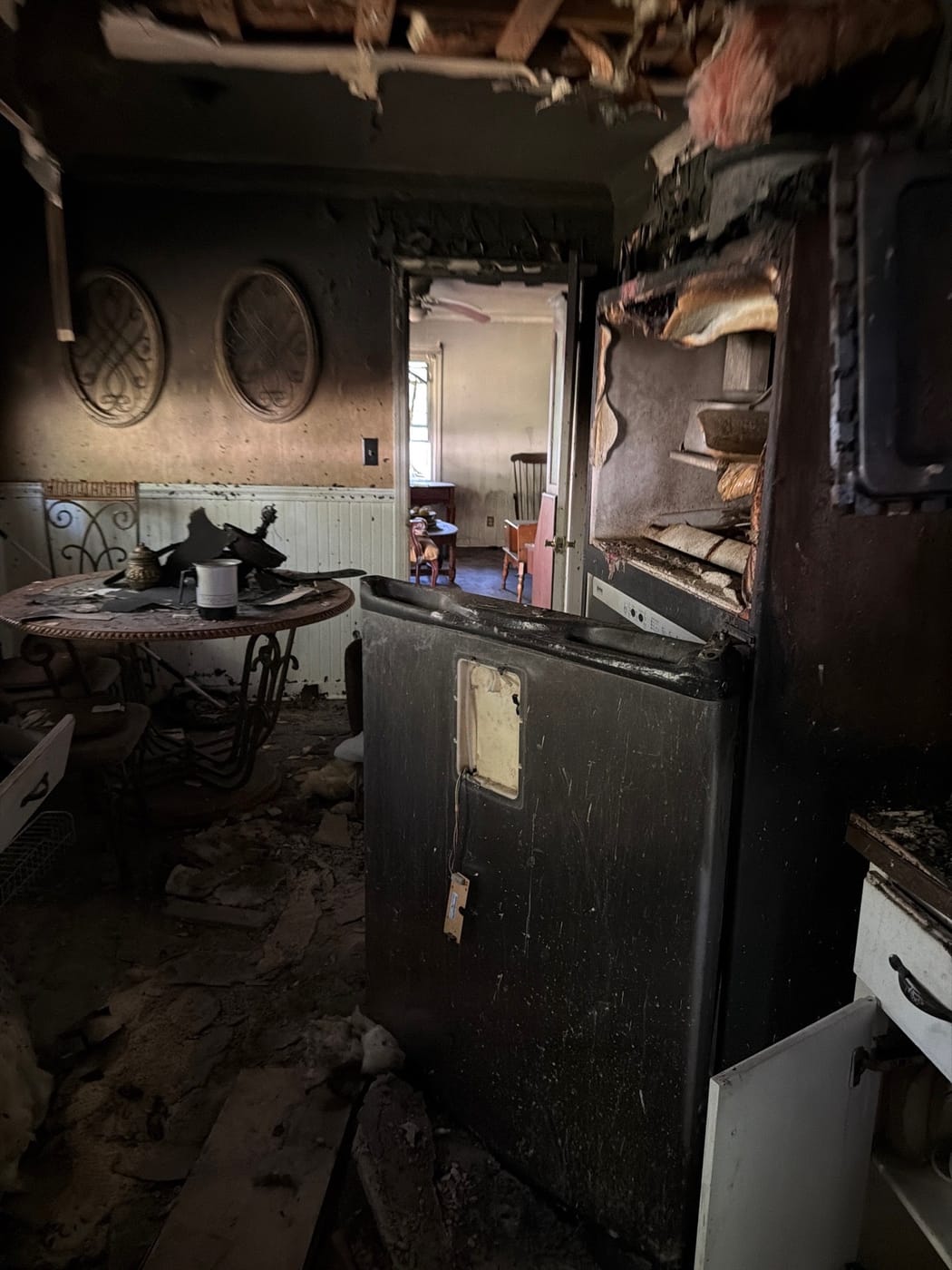
A fire does not have to be a large one to leave a building unusable. What the flames reached is often a single room; what the smoke and the water reached is the rest of the job.
A kitchen fire that the extinguisher stopped
The flame stays in one place, often the cooktop or the oven, and the fire is out in minutes. The smoke is not contained by anything. Grease smoke is oily and it settles on cabinet faces, ceilings and the top of every door frame, and wiping it on a painted or porous surface drives it in rather than lifting it off.
An electrical fire in a wall or a panel
Small, hidden, and out of proportion to the mess it makes. Burning wire insulation puts out a sharp, plastic-smelling smoke that gets into the cavity and travels the stud bays. The visible damage can be a scorch mark the size of a hand while the smell is in three rooms, which is why the wall has to come open to be sure.
Smoke through the HVAC, in rooms the fire never reached
If the system was running when the fire started it distributed the smoke, and every supply register became an inlet. Soot ends up in the ductwork, on the coil and in rooms with no other sign anything happened. Clean the burned room, leave the system loaded, and the odor still has somewhere to come back from.
A fireplace, wood stove or chimney backing up
A blocked flue or a downdraft pushes smoke into the room instead of up. Nothing burns beyond the firebox, so there is no obvious damage. The deposit is a fine black film across the mantel wall and the ceiling above it. It settles into the couch and the curtains too, and those hold the smell longest.
The water the fire department left behind
A hose delivers a great deal of water in a short time, and it goes down through ceilings and along floor assemblies into rooms that never saw fire. Sprinklers do the same more slowly. Dry the wet materials within 24 to 48 hours and in most cases mold will not grow, and that clock starts while everyone is still looking at the burned room.
A lightning strike, and what it starts inside the walls
Lightning can start a fire inside the house while the roof looks untouched. The current follows wiring, plumbing and whatever else offers a path to ground. The heat comes out wherever that path is most restricted, usually inside a wall cavity, an attic or a panel. The sign is often a burning smell and a dead circuit rather than flames. If that is happening now, call 911 first. A fire inside a wall can still be burning. We come in once the fire department clears the house.
Our customer reviews
Customer reviews from our restoration work, fire and smoke damage jobs included
Real reviews from real jobs, in the reviewer's own words.
Restoration work is a stressful thing to hire for, so see what people say about how fast we answered, and how the job actually went.
 Melissa Heller
I had a fire at my house. His company responded within an hour to assess what needed to be removed. Everything in the house was deemed toxic and everything we touched was black and contaminated. Dan plus his crew did an amazing job removing all this stuff — within 24 hours the place was cleared out and all hauled away.
 John Steffler
After my mother's house fire the Monday before Christmas, our family was overwhelmed and unsure of what to expect. From the very beginning, Dan and his team helped guide us through one of the most difficult situations we've ever faced. They were responsive, professional, and compassionate throughout the entire restoration process. What impressed us most was how much they genuinely cared — not just about the restoration work, but about helping our family get back to normal.
 Donald Crenshaw
Came in 30min for a freak accident with a water cooler. Explained everything and put my mind at ease. Very informative, 10/10.
Dan and his team were responsive, timely, friendly, and resourceful. They arrived when they said they would, provided a bid when they said they would, and completed the job within their estimated timeframe. Their professionalism and care stand out. I felt well taken care of throughout the process. I highly recommend 24/7 AquaDry!
Dan and Taylor were professional, prompt, and honest. They assessed my crawlspace after a water intrusion and were upfront about the damage. They assessed if there was any mold damage and gave me honest feedback without pushing any sales tactics. I appreciate their honesty and assistance in a time of need.
What can I say about Dan and his team at 24/7 AquaDry other than they are ABSOLUTELY AMAZING! From our very first call, as water was pouring between our first and second levels in our home, Dan and his team were responsive, compassionate, supportive, knowledgeable, and effective.
Insurance billing
We bill your insurer directly for fire and smoke damage










You hire us for the restoration. We document the damage, coordinate with your adjuster, and keep you informed based on your policy and coverage. Where your policy and carrier allow it, we bill your carrier directly.
Direct billing subject to your policy and carrier approval.
What happens when you call
Our fire and smoke damage process
Fire work runs in a fixed order because each step ruins the next one if it is done out of turn. Soot is cleaned before anything is rebuilt over it, the structure is dried before it is closed up, and the odor is dealt with last because it is the thing that tells you whether the rest of it worked.
The water side is where the two disciplines meet. Fire hose water leaves a sanitary source, but where it ends up and what it has run through is what decides how it has to be handled: category 2 and 3 water needs remediating before any drying starts, rather than simply being dried out.
Response
Someone answers, any hour of any day, and if the building is open to the weather it gets secured first.
Assessment
What burned, how far the smoke traveled, and where the water used to put it out has ended up.
Mitigation & Containment
The affected area is sealed off so soot is not walked through the rest of the building, and standing water comes out before it soaks further into the structure.
Cleaning & Drying
Soot removed by a method that suits each surface, the structure dried and monitored, and the odor traced back to whatever absorbed it.
Restoration & Repairs
Framing, drywall, trim, cabinetry and paint put back, so the room comes back finished, down to the paint.
Documented at every step
A fire claim is really two files in one. The carrier needs what the smoke and soot actually reached, room by room, including the rooms that never saw flame. It also needs how wet the building became while the fire was being put out, which is why the readings below look like a water loss: for that half of the job, it is one. Both go in the same package:
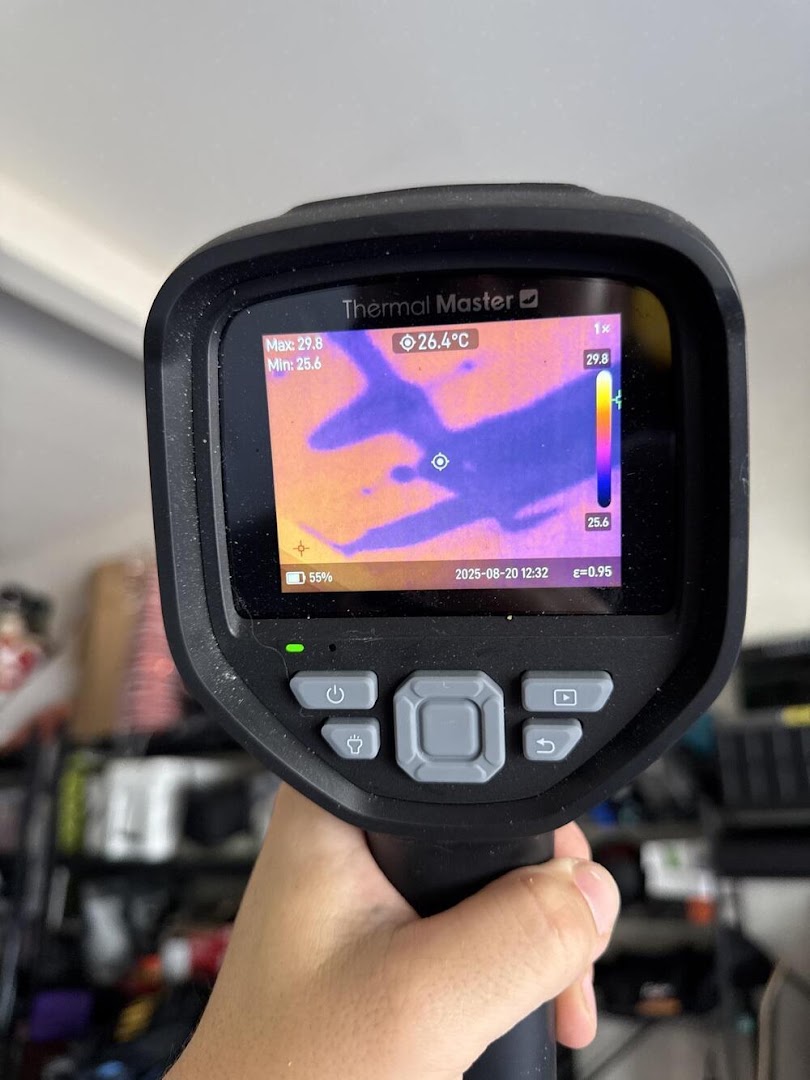
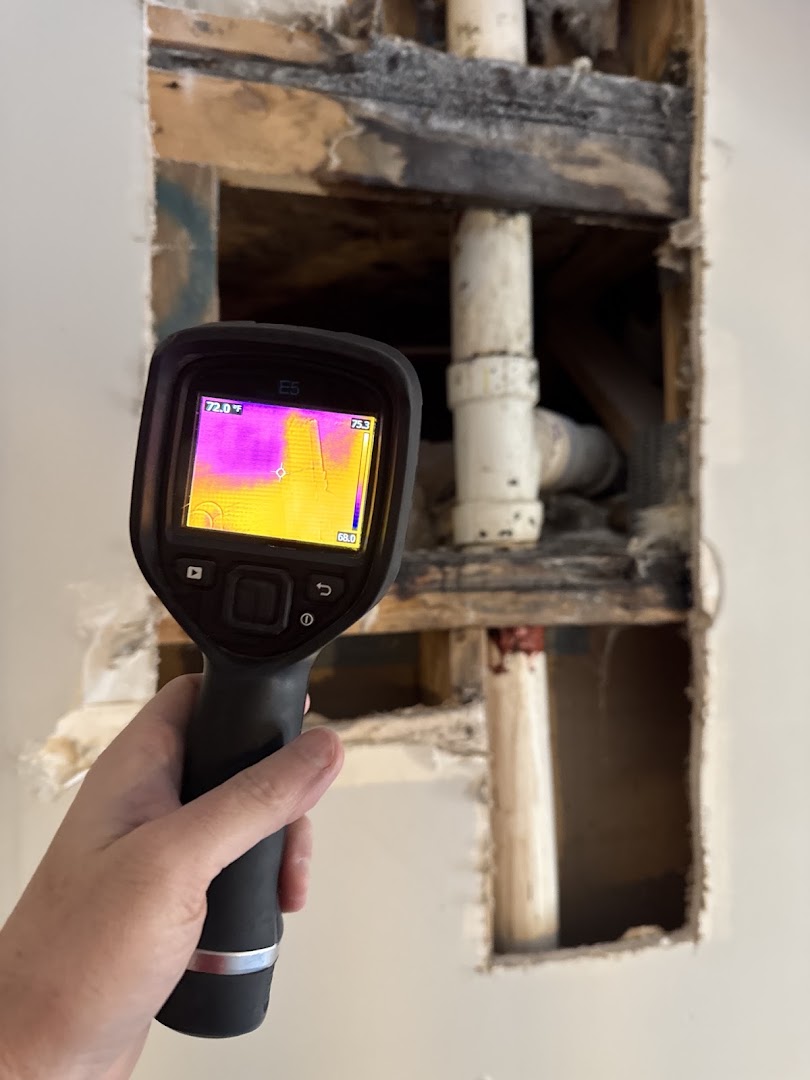
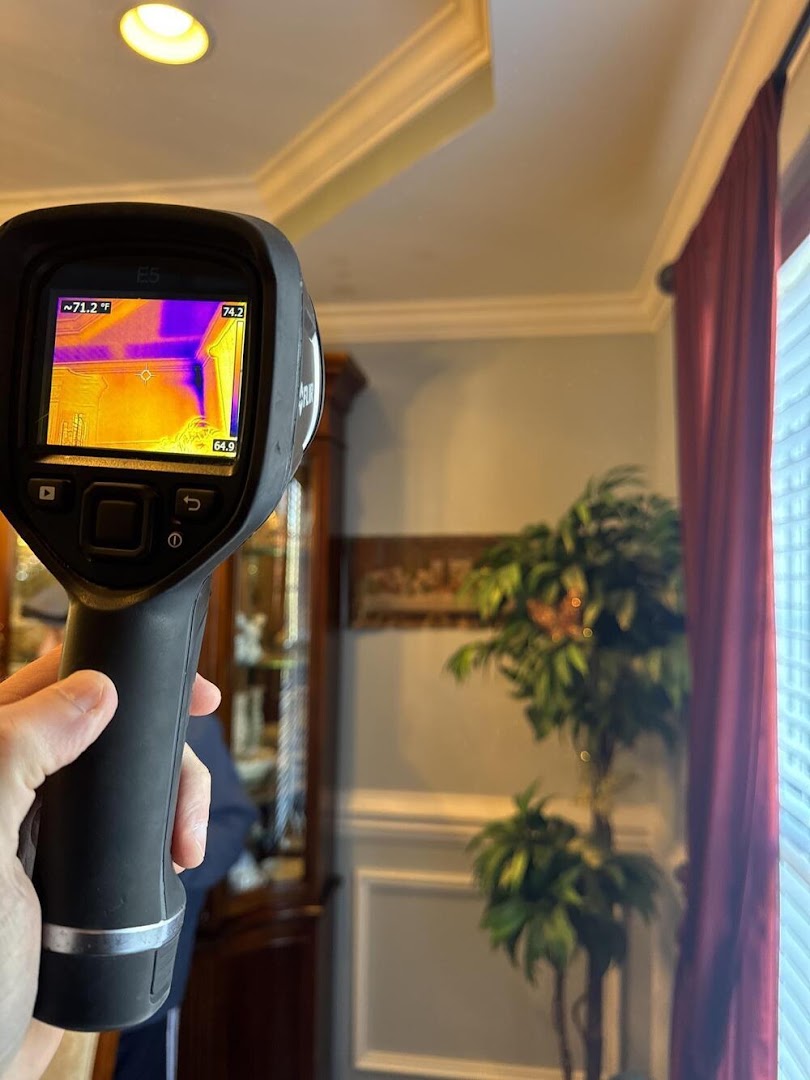
- Thermal imaging
- Moisture graphs
- Moisture mapping
- Daily drying logs
- Video documentation
- Xactimate estimates
- Equipment monitoring
- RH and GPP monitoring
- Moisture content readings
- Before, during and after photos
- Category and Class documentation
- Insurance documentation packages
Step one is getting the building secured.
Service areas
Fire and smoke damage across the Charlotte metro and into South Carolina
25 cities, three offices, one number.
A crew can be on the road at any hour.


Our team
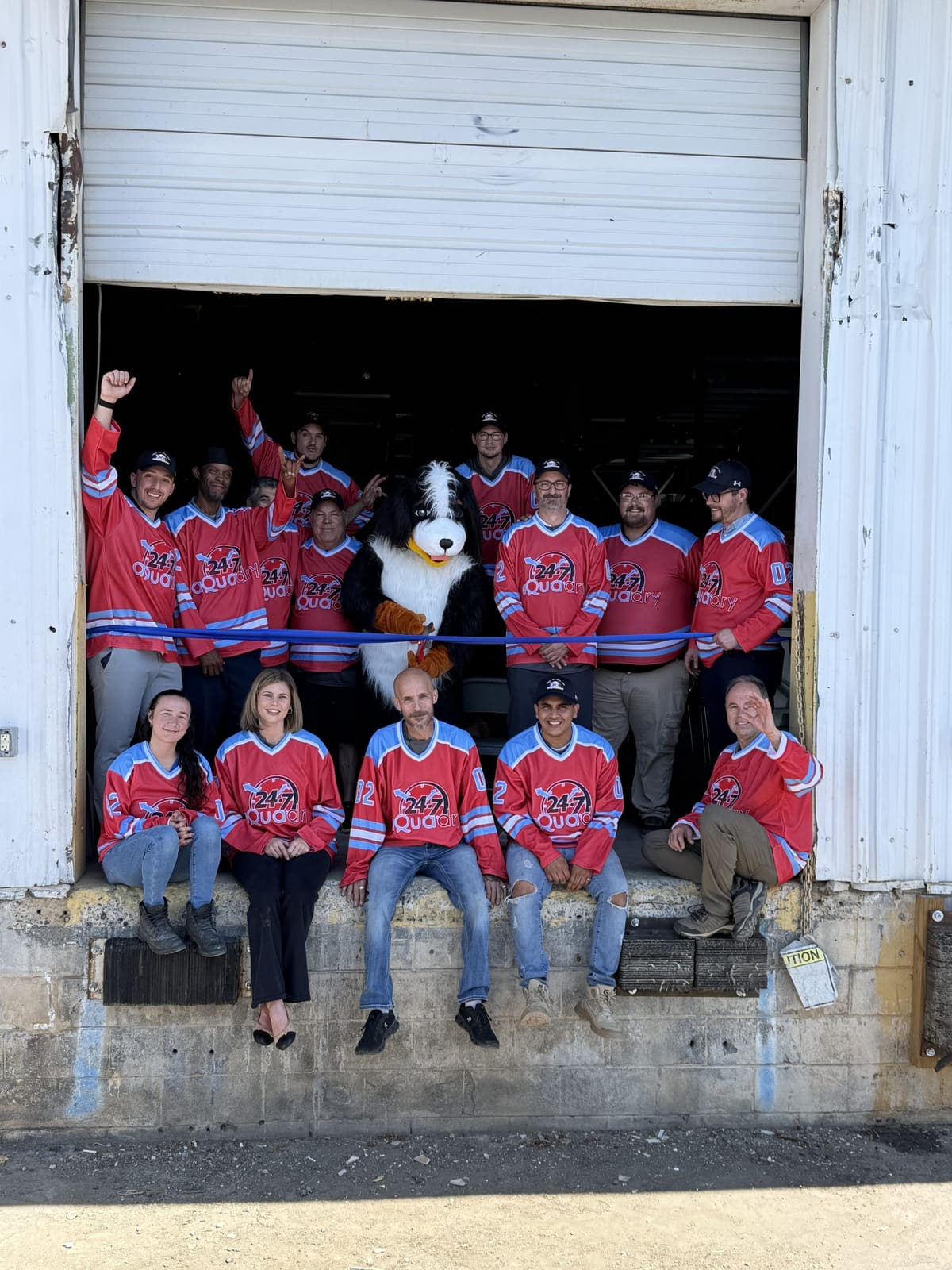
The team behind our fire and smoke damage work
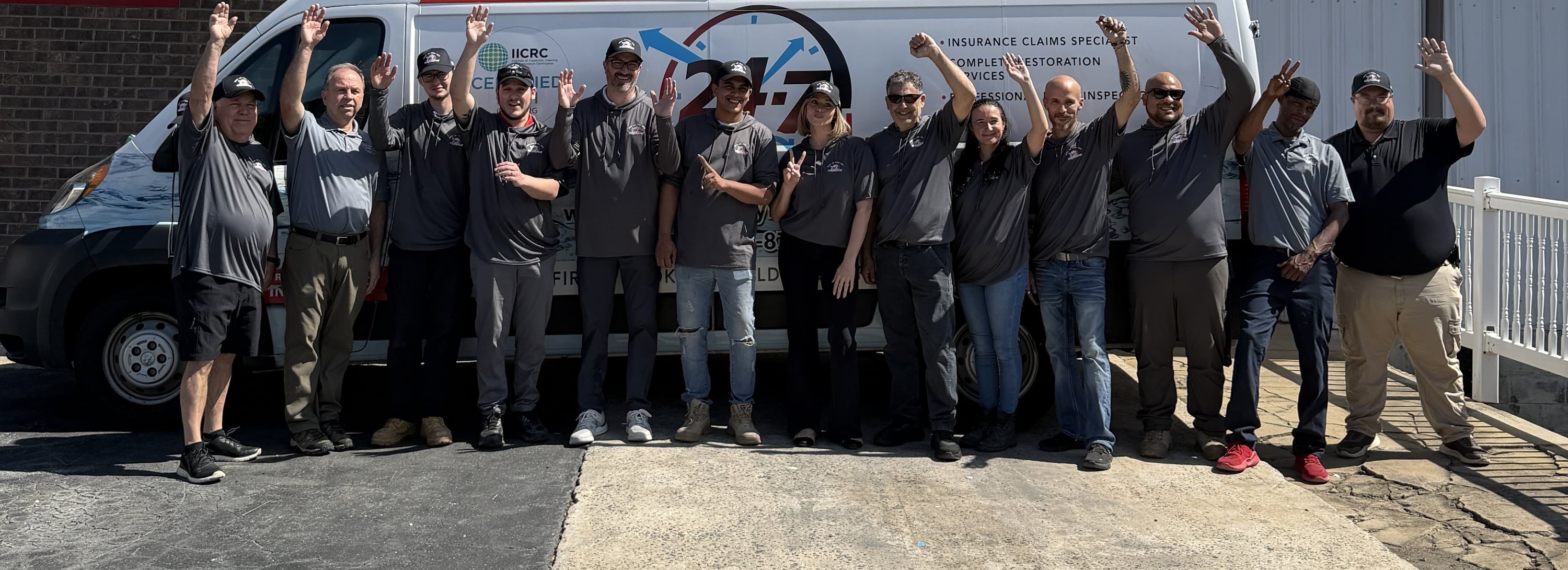
Owned by Dan DiPrima and Dan Friedman
The owners are reachable, and decisions about your job are made by people you can get hold of.
You get us, not a national call center
The number you call reaches the people who do the work.
An IICRC Certified Firm, #56517068
The certification is held by the firm and the number is public, so you can look it up rather than take our word for it. It is the industry standard for cleaning and restoration work.
Three offices across the Carolinas
Waxhaw, Fort Mill and Charlotte.
The names customers actually remember
Dan, Taylor, Zac and Johnathan all get named in our reviews.
Free estimate
Get a free estimate for
fire and smoke damage
Send us the details and we will call you back. This works at 2am when you would rather not talk on the phone.
- On site in 60 minutesFrom your call to our arrival.
- Available 24/7Someone answers, any hour.
- Free estimateNo obligation, no pressure.
In an emergency, calling is faster.Call (704) 912-4001
FAQ
Fire and smoke damage questions we get asked
Can smoke damage a room the fire never reached?
Yes, and it is the part people are least prepared for. Smoke follows air, so it moves through door gaps, up stairwells and along the ductwork if the system was running. A room at the other end of the building can hold the smell while showing no mark at all. That is why the assessment covers the whole property, not just the burned part of it.
Why does the smoke smell keep coming back after cleaning?
Because something that absorbed it was not addressed. Odor lives in porous material: insulation, carpet pad, the underside of subfloor, ductwork, upholstery. Cleaning the hard surfaces around it gets you a few good days, and then it comes back on the first warm, humid afternoon. Finding what is holding it is the job; masking it is not.
Should I clean the soot myself before you get there?
Check with the fire department that the building is safe to enter before you go back in. A fire can leave damage that stays hidden from the doorway. The fire department makes sure the utilities are safe to use or shut off before they leave. Once you are cleared, leave anything porous or painted alone. Wiping soot presses it into the finish, especially the oily kind a kitchen fire makes. That turns a cleanable wall into one that has to be sealed or replaced. If you have to move anything, wear an N95 respirator and gloves. Opening windows and keeping the HVAC off is genuinely useful.
What happens to the water the fire department used?
It gets treated as a water loss, because that is what it is. It is extracted, the structure is dried and monitored with meters until the readings say it is dry, and the cavities the water ran into are opened up where they need to be. Doing this late is how a fire job turns into a mold job a month later.
Do you board up the property, or is that someone else?
We do. A fire commonly leaves openings: a window the crew vented, a hole cut in a roof, a door forced. Until those are closed the weather and anyone walking past have access to the building. Securing it is the first thing on site rather than a separate trade to arrange.
Does it matter where the fire started?
Yes, and it changes the cleaning more than it changes the repair. What burned is what the smoke is carrying, so the residue left on a surface by a cooking fire is not the residue left by burning wiring, or by a fireplace or chimney backing up into the room. We establish the source during the assessment because the cleaning method follows the residue rather than the room, and a method chosen for the wrong residue either fails to lift it or drives it further in.
Is a small kitchen fire we put out ourselves still worth a call?
Usually yes, and the reason is smoke rather than flame. A fire an extinguisher stopped inside a minute can still push soot through a whole floor, and extinguisher powder is corrosive on appliances and finishes if it sits. The flame damage might be one cabinet while the smoke and residue are a much larger job. An estimate tells you which of the two you actually have.
Is the estimate really free?
Yes. We come out, tell you what we find and what the job involves, at no cost and with nothing owed if you decide not to go ahead. Nothing starts until you say so.
Are you licensed and certified?
Yes, and the numbers are public. North Carolina general contractor #83926, South Carolina #CLG-123544, and IICRC certified firm #56517068 for the cleaning and restoration work.
Which areas do you cover?
We cover 25 cities across the Charlotte metro and into South Carolina, worked out of offices in Waxhaw, Fort Mill and Charlotte. If your address sits near the edge of that, call and ask rather than guess, on (704) 912-4001.