- Google5.0 Rating400+ reviews
- Yelp4.8 Rating16 reviews
- Facebook100% Recommend16 reviews
Storm and Flood Damage Restoration
Storm damage comes in from outside, which makes it a different job from a leak indoors. Wind-driven rain through an opened roofline, rising water against the foundation, a tree through the wall. We close the building, get the water out, dry it and put it back. Homes and businesses, any hour, any day.
- Free estimates, no upfront costs
- We answer 24/7, on site within 60 minutes
- We work with all insurance companies



Why us
Why homeowners call us for storm and flood damage
Wind damage and water damage arrive in the same hour, and they get put right in the wrong order more often than not. The roof, the window or the wall is what failed. The flooding is only what came through the opening it left, and until that opening is closed, drying the room underneath is work somebody has to do twice.
The second half is what the water actually was. Rising water off the ground, off the street or out of a creek is category 3: grossly contaminated, and carrying whatever it crossed on the way in. That has to be remediated before restorative drying starts, which is why two soaked rooms that photograph identically are not the same job.
We work for you, not the insurance
Flood damage is where this matters most. It is excluded under standard homeowners and renters insurance policies, and coverage is available as a separate policy from the National Flood Insurance Program or from some private insurers. We are on no carrier vendor list. We record what the storm did; what your own policy pays is between you and your insurer.
We dry it and we rebuild it
Storm damage does not end when the room is dry, because whatever the weather came through is still open. We are licensed general contractors in both Carolinas, which means the temporary protection, the demolition, the drying, and the framing and drywall that go back afterwards are one company on one schedule rather than three.
Free estimate, any hour of any day
The estimate costs nothing and it is not a sales visit. Somebody who does this work walks the property with you, opens what needs opening, and says plainly what is wet, what is contaminated and what has to come out, with nothing owed if you decide to stop there.
- 60 minutesFrom your call to our arrivalAt your door within 60 minutes.
- Since 2014Family-owned, not a franchise
- 5.0 ★Google-rated
How storm damage and flooding get into a building
Storm damage almost always starts outside and works inward, so the first question on site is not where the water is standing now but what it came through, whether that opening is still open, and how much more weather is due to arrive through it.
Rain following a lifted shingle into the attic
Wind only has to lift or tear one section of shingle, flashing or soffit for the rain behind it to have a way in. From there the water runs along the framing, soaks the insulation first and sits in it, and can surface as a ceiling stain several feet from wherever the roofline actually failed. The stain is the last part of that to happen, not the first.
Rising water finding the low point in the foundation
When rain outpaces the grading, the storm drains or a creek behind the property, water builds against the exterior walls faster than the ground can take it. It finds the low points: a window well, a crack in the foundation, the gap under a basement door. Then it spreads across the lowest floor, carrying whatever it crossed outside in with it.
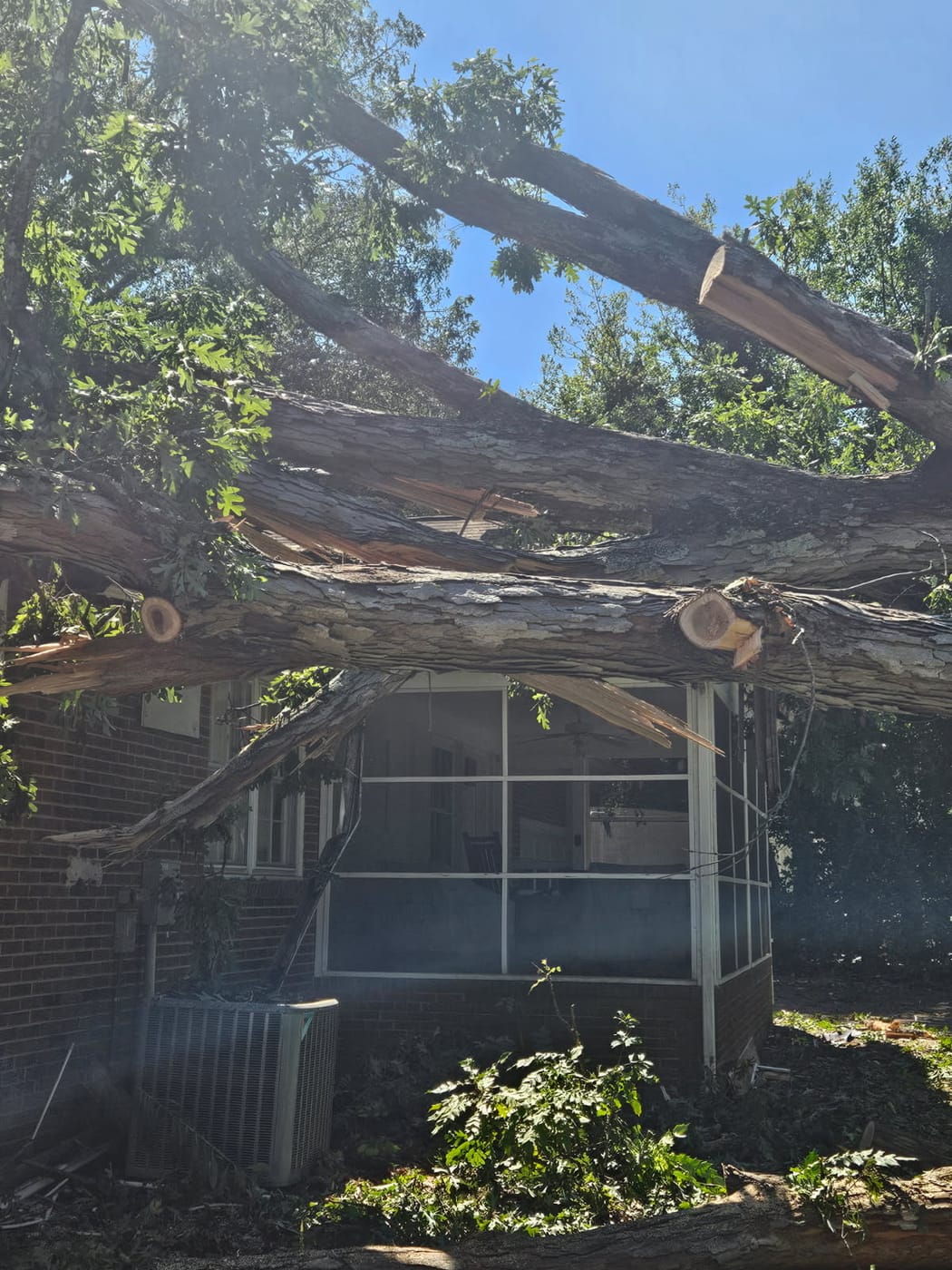
A tree down through the roof or a wall
A limb or a whole trunk coming down in high wind can punch through roofing, split framing or break into a room, and what it leaves behind is an opening the rain keeps using long after the wind has dropped. The damage compounds for as long as that opening stays open, and nothing underneath it can be dried or closed up until what came through is out of the way.
A sump pump that quits while the rain is still falling
A basement stays dry on the strength of a working pump and clear drainage outside it. Lose power mid-storm, stick a float switch, or block a discharge line with debris, and the groundwater that was being carried away comes up through the floor instead. The lowest level fills first, quietly, and usually while nobody is down there to watch it start.
Sideways rain getting past window and door seals
Rain driven sideways gets past seals and weatherstripping that hold up perfectly well in ordinary weather, working into the wall cavity under a sill or down the side of a door frame. There is often no puddle to find at all. It shows up days later as a soft patch of drywall, a swollen baseboard or a musty smell in a room nobody thought was wet.
Insurance billing
We bill your insurer directly for storm and flood damage










You hire us for the restoration. We document the damage, coordinate with your adjuster, and keep you informed based on your policy and coverage. Where your policy and carrier allow it, we bill your carrier directly.
Direct billing subject to your policy and carrier approval.
Our customer reviews
Customer reviews from our restoration work, storm and flood damage jobs included
Real reviews from real jobs, in the reviewer's own words, including homeowners in Waxhaw, Rock Hill and Matthews.
Restoration work is a stressful thing to hire for, so see what people say about how fast we answered, and how the job actually went.
We had a major rain storm and had flooding all along the backside of our house, requiring all the sheet rock and insulation to be removed. Dan came in with his team and completely and efficiently removed all the debris and put machines in to dry out the area. He was there within an hour and stayed until the job was done. We live in Millbridge and highly recommend them.
Unfortunately had a leak due to a roofing issue and I reached out to 24/7 AquaDry based on their great reviews. I was immediately answered and directed to Taylor and Zac and had someone come inspect the house within an hour. I have been the main point of contact due to English being my parents' second language and Zac has been so understanding about my parents' concerns and wishes on the restoration process. Would 100% recommend.
 jeff mcfarland
The team was great to work with. Very responsive, professional, and detailed in their mitigation services. We are looking forward to working with them during the repair process!
These guys are very professional, nice and courteous. Did the job, cleaned up after themselves. Didn't take long for them to get here — very quick. If you need help, these are the guys to call, and I live in Rock Hill.
 Ernesto Rodriguez
Dan was extremely helpful throughout the whole process helping us with water damage concerns at our property in Matthews. He was very knowledgeable, easy to work with, and took the time to explain everything clearly instead of just trying to rush through the job. You can tell he genuinely cares about helping people and doing things the right way.
What happens when you call
Our storm and flood damage process
Storm work runs outside in, and the order is not a preference. Whatever the weather is still coming through gets closed first, because drying a room under an open roof is money spent twice and everyone on site knows it.
What the water was decides the rest. Rain that came off a roof surface and water that rose off the ground outside are not handled the same way: the second has to be remediated first, with contamination controls in place, before drying equipment does anything useful.
Response
A storm puts everyone on the street on the phone at once. Tell us what came in, where it is now, and whether the building is still open.
Assessment
Where the water entered, how far it has tracked through framing and insulation, and what category it is before anyone starts drying.
Mitigation & Containment
The opening gets covered so no more weather arrives, standing water comes out, and contaminated material is contained instead of being carried through the dry half of the building.
Cleaning & Drying
Contaminated material out first, surfaces cleaned, then air movers and dehumidifiers on the structure with meter readings deciding when it is genuinely dry.
Restoration & Repairs
Insulation, drywall, flooring, trim and paint back in, so the room is finished rather than merely dry and empty.
Documented at every step
Storm damage gets argued over more than most losses, because the weather that caused it has moved on and the opening it came through is usually the first thing anybody closes. The readings below are how we pin down what the water actually did while it was there: where it entered, how far into the framing and insulation it traveled, and how wet the building still is room by room.
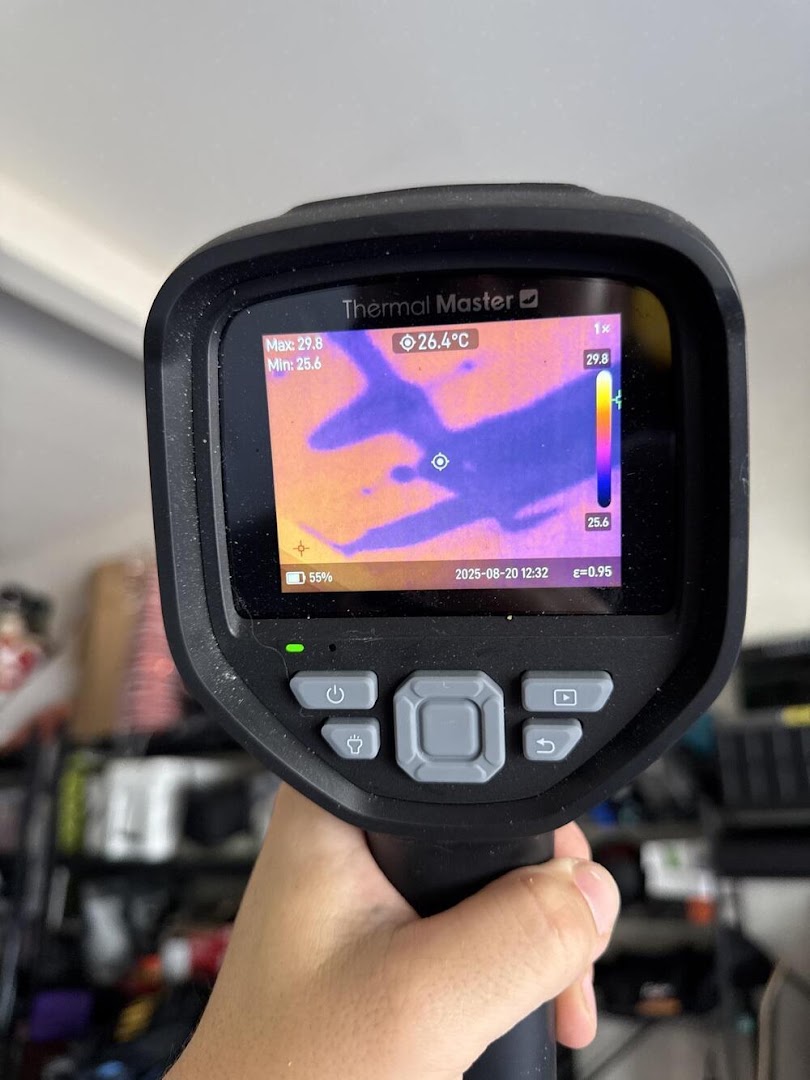
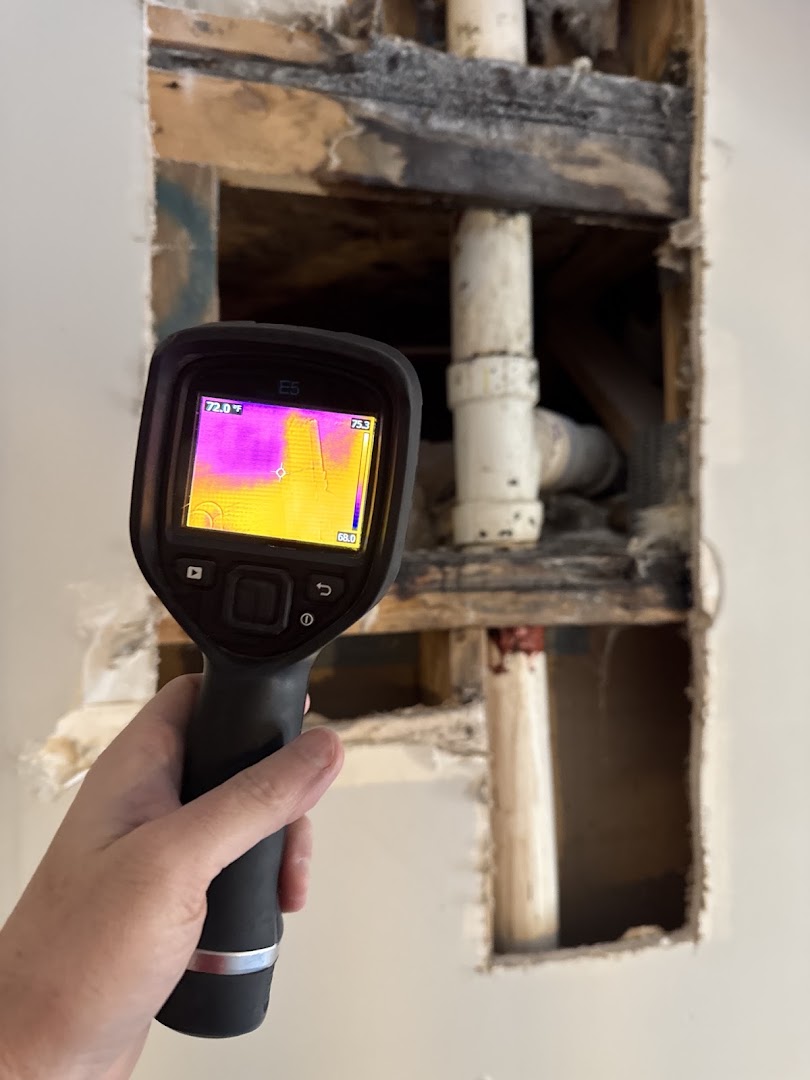
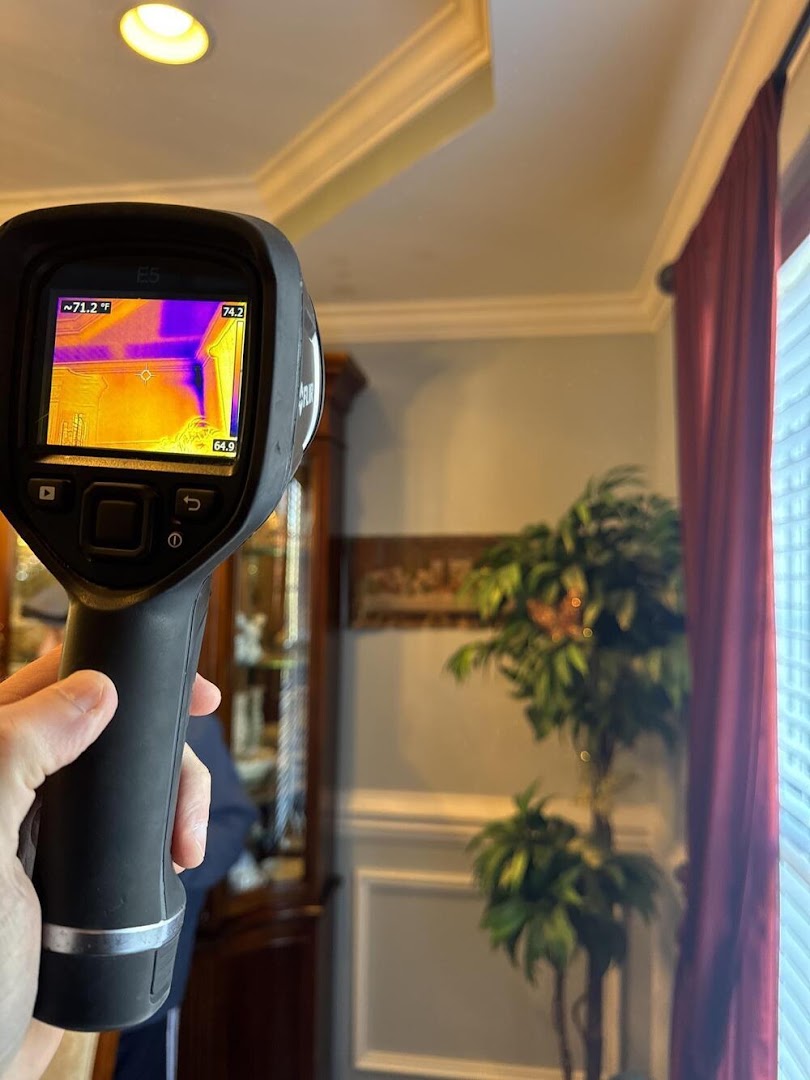
- Thermal imaging
- Moisture graphs
- Moisture mapping
- Daily drying logs
- Video documentation
- Xactimate estimates
- Equipment monitoring
- RH and GPP monitoring
- Moisture content readings
- Before, during and after photos
- Category and Class documentation
- Insurance documentation packages
Step one is getting the weather back outside.
Service areas
Storm and flood damage across the Charlotte metro and into South Carolina
25 cities, three offices, one number.
A crew can be on the road at any hour.


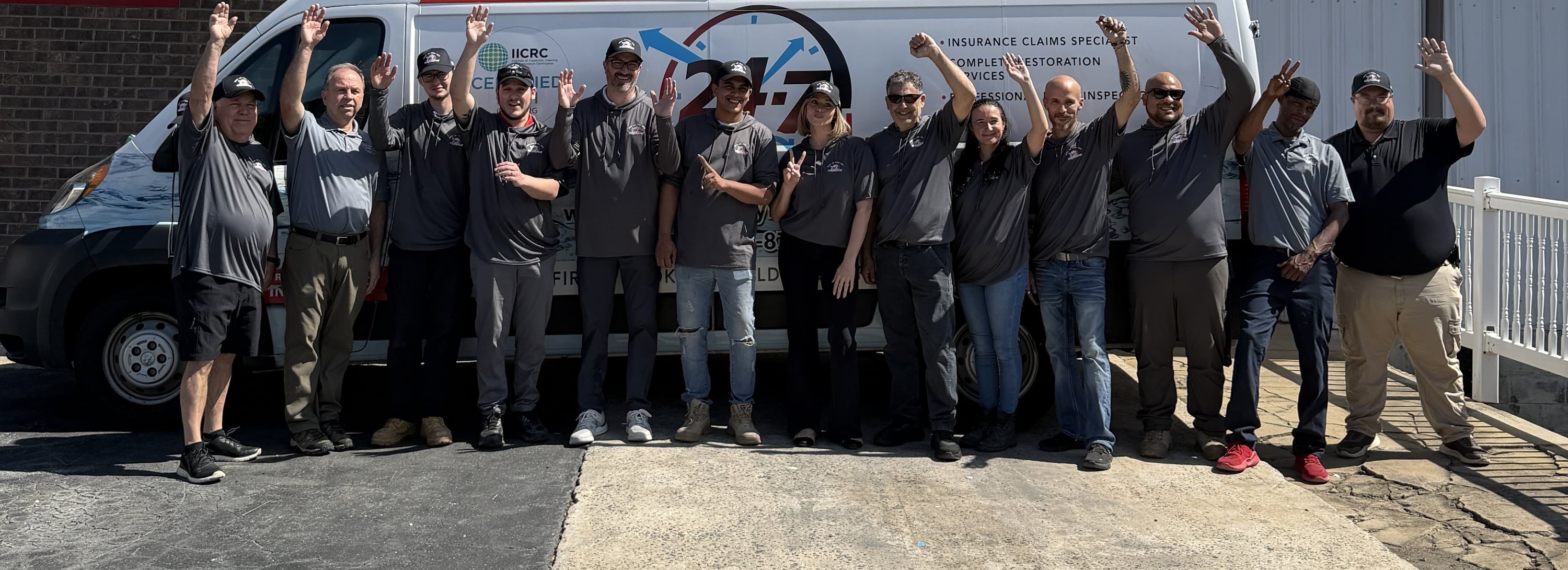
Our team
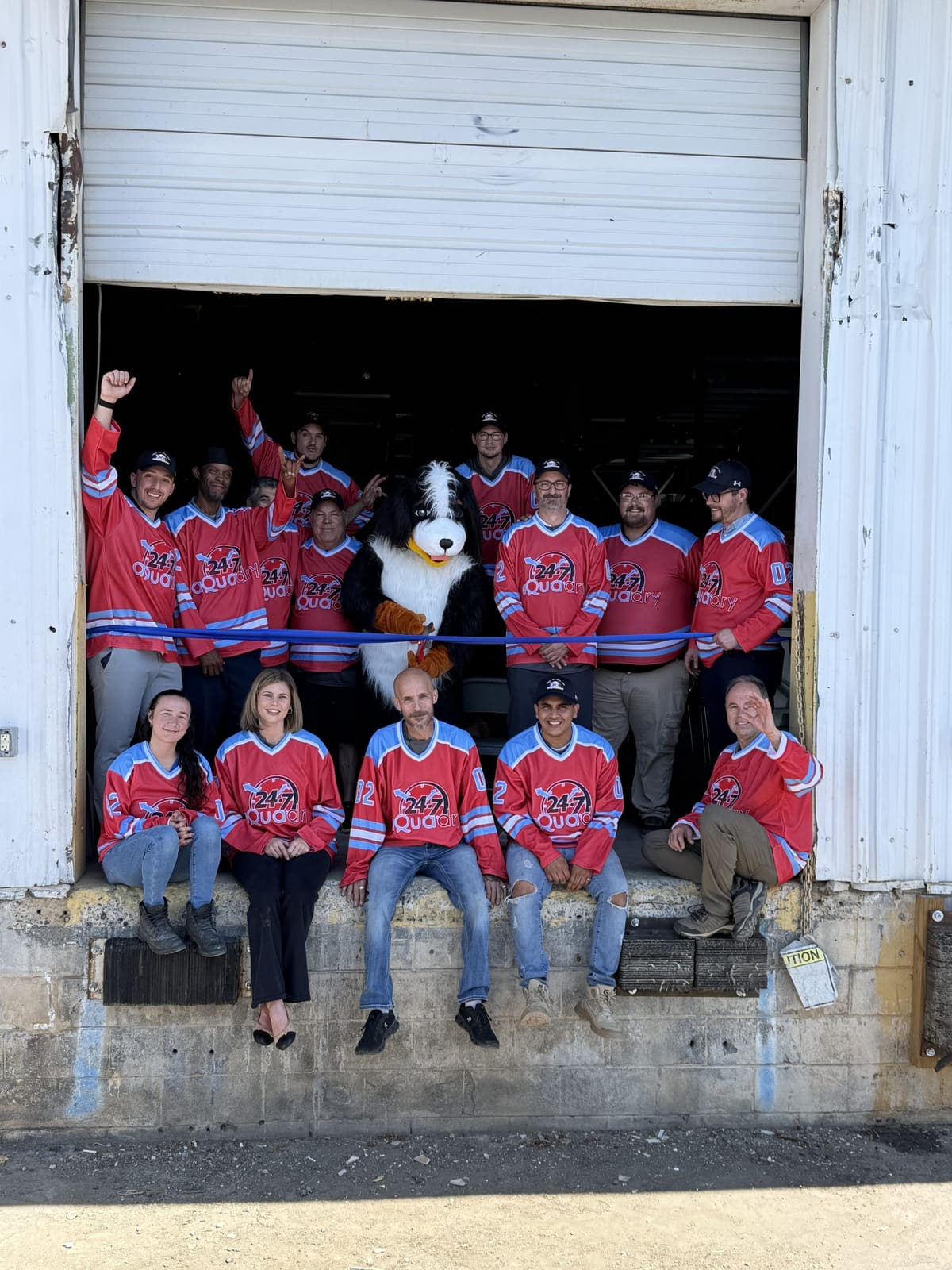
The team behind our storm and flood damage work
Owned by Dan DiPrima and Dan Friedman
The owners are reachable, and decisions about your job are made by people you can get hold of.
You get us, not a national call center
The number you call reaches the people who do the work.
An IICRC Certified Firm, #56517068
The certification is held by the firm and the number is public, so you can look it up rather than take our word for it. It is the industry standard for cleaning and restoration work.
Three offices across the Carolinas
Waxhaw, Fort Mill and Charlotte.
The names customers actually remember
Dan, Taylor, Zac and Johnathan all get named in our reviews.
Free estimate
Get a free estimate for
storm and flood damage
Send us the details and we will call you back. This works at 2am when you would rather not talk on the phone.
- On site in 60 minutesFrom your call to our arrival.
- Available 24/7Someone answers, any hour.
- Free estimateNo obligation, no pressure.
In an emergency, calling is faster.Call (704) 912-4001
FAQ
Storm and flood damage questions we get asked
What is the difference between storm damage and flood damage?
Where the water came from, and it changes the whole job. Rain the storm drove in through a lifted roofline or a broken window arrived from above and is graded on what it ran through on the way down. Water that rose off the ground, off the street or out of a creek is category 3: grossly contaminated, and able to contain pathogenic, toxigenic or other harmful agents. Category 3 is remediated before restorative drying starts rather than simply dried, so two rooms that look identical can need completely different work.
Does homeowners insurance cover flood damage?
Usually not under a standard policy. Flood damage is generally excluded under standard homeowners and renters insurance, and coverage is available in the form of a separate policy from the National Flood Insurance Program and from some private insurers. Whether a particular loss gets treated as flood or as storm damage to the building is your adjuster's determination, and we would be guessing if we told you otherwise. What we can do is document it thoroughly enough that the determination is made on evidence.
A tree came down on the house. Do you handle that?
We handle the building. Once what came down is off the structure we cover the opening, get the water out of the rooms below, dry the framing and put the insulation, drywall and finishes back, which is general contracting work we are licensed for in both Carolinas. Taking down or hauling away the tree itself is arborist work and a different trade, and we will say so rather than quote it.
My basement flooded in the storm. What should I do before you get there?
Stay out of standing water if there is any chance it is near power, and leave the HVAC off, because running it moves damp air and whatever is in it through the rest of the building. Lift what you can off the wet floor and photograph everything before anything moves. What gets thrown out before it is recorded is the part nobody can evidence later.
How long does it take to dry out a flooded basement?
Longer than a clean leak indoors, and nobody honest gives you a number over the phone. If the water was category 3 it has to be remediated before drying begins at all, which changes the shape of the job before a single dehumidifier goes in. After that it comes down to how much material stayed wet, how far into the assemblies the water got, and how much of it can be saved. Meter readings decide when it is dry, not a calendar.
How does storm water actually get into a building?
Through the roof most often, following a lifted or missing shingle into the attic and down from there. Rising water finds the low point in the foundation instead. A tree through the roof or a wall opens the structure directly. Sideways rain gets past window and door seals that handle vertical rain without any trouble. And a sump pump that quits while the rain is still falling turns a wet basement into a flooded one.
Is it safe to stay in the house after flooding?
Treat everything floodwater touched as contaminated until it is cleaned and dried, however clear the water looked. State guidance is blunt that floodwater may contain sewage, and children and pets should stay out of affected areas until cleanup has been completed. Whether staying works depends on how much of the house stayed dry: a flooded crawl space is a different situation from water through the living areas, and the assessment answers it for your actual floor plan.
Is the estimate really free?
Yes. We come out, tell you what we find and what the job involves, at no cost and with nothing owed if you decide not to go ahead. Nothing starts until you say so.
Are you licensed and certified?
Yes, and the numbers are public. North Carolina general contractor #83926, South Carolina #CLG-123544, and IICRC certified firm #56517068 for the cleaning and restoration work.
Which areas do you cover?
We cover 25 cities across the Charlotte metro and into South Carolina, worked out of offices in Waxhaw, Fort Mill and Charlotte. If your address sits near the edge of that, call and ask rather than guess, on (704) 912-4001.