- Google5.0 Rating400+ reviews
- Yelp4.8 Rating16 reviews
- Facebook100% Recommend16 reviews
Crawl Space Mold Removal and Containment
Mold under the floor is usually somebody else's find — an inspector's photo, a line in a buyer's report, a smell upstairs. We go under and see how far it has gone, contain the work area before anything is disturbed, take out the insulation and subfloor it got into, and fix what kept it wet.
- Free estimates, no upfront costs
- We answer 24/7, on site within 60 minutes
- We work with all insurance companies



Why us
Why homeowners call us for crawl space mold removal
Almost nobody finds this themselves. Crawl space mold turns up in a home inspection three days before closing, in a photograph a technician took under somebody else's floor, or as a smell in a hallway that has been there so long the family stopped noticing it. Most people have never been under their own house, and are being asked to make a decision about a place they cannot picture.
The job is judged on two things, and neither of them is how the wood looks afterwards. Whether the growth left the space it was in, and whether the moisture that fed it is still there. Get the second one wrong and the same joists are back in the same condition in a season, and the space gets cleaned twice.
We work for you, not the insurance
How much of the subfloor and the insulation has to come out is what sets the size of a crawl space mold job, and that is decided by a meter and a look at the material, not by what is convenient. We are on no carrier vendor list, so the scope written into the file is the one the crew under the floor actually found.
We dry it and we rebuild it
Taking mold out opens the underside of a house up: batts bagged off, sections of subfloor cut back past the growth, a joist that has gone too far sistered or replaced. We hold general contractor licenses in North Carolina and South Carolina, so the crew that cuts it out is the crew that frames it back and puts the floor above right, rather than leaving you to find a carpenter.
Free estimate, any hour of any day
Somebody opens the access, goes under the house and looks at it properly, then tells you how far the growth has gone, what has to come out and what is behind it, at no cost. It is an inspection, not a sales visit, and nothing starts until you say so.
- 60 minutesFrom your call to our arrivalAt your door within 60 minutes.
- Since 2014Family-owned, not a franchise
- 5.0 ★Google-rated
Why mold grows under a floor and keeps coming back
Growth needs constant moisture, and a crawl space is unusually good at supplying it long after any leak has been fixed. None of the following is an event. Each one is a condition that was already there, which is why the question on this page is not where the water came from but why it never left.
Insulation nobody took out after the last leak
A plumber stops the leak and the fitting is sound again, and the wet batts stay stapled between the joists because nobody went back for them. Fiberglass holds water against the wood for months in the dead air behind the batts, whatever the vents at the perimeter are doing, and the paper facing on it is exactly the material growth prefers. The plumbing was fixed; the reason the space is damp was left in place.
A barrier laid over ground that was never dry
Sheeting rolled across earth that still holds water does not dry it. It traps it, and it also hides it, so the space passes a glance from the hatch while the underside of the sheet stays wet and the seams weep. Growth then shows up on the wood overhead rather than on the plastic underfoot, so what has gone wrong is above head height while the thing anybody thinks to check is under their feet.
Humidity that never drops far enough, all summer
The benchmark for a house is indoor humidity no higher than 50 percent all day long, and a vented crawl space in the Carolinas spends June to September well above it without anything leaking at all. Warm outside air meets cooler wood under the floor and gives up its moisture into it. Nothing drips and nothing looks wrong, and the wood stays damp enough for months at a time.
A bath fan or dryer duct discharging under the house
A fan that terminates in the crawl space rather than outside it pushes warm, wet air into the one part of the building least able to shed it, shower after shower or load after load, for years. The wettest wood is usually directly above the outlet, which is what gives this one away. Finding it means looking up at the duct rather than down at the ground, which is why it can sit there through more than one visit.
Cardboard and paper-faced material stored on the ground
A crawl space is where the boxes, the offcuts and the old carpet end up, and every one of them is the high-cellulose material growth prefers. Sitting on bare earth they wick moisture out of the ground and hold onto it, which lifts the humidity in a short, closed space enough to keep the joists and the subfloor above them damp. Clearing the space is part of the work rather than tidying up before it.
Our customer reviews
Customer reviews from our restoration work
Real reviews from real jobs, in the reviewer's own words, including homeowners in Rock Hill and Matthews.
Restoration work is a stressful thing to hire for, so see what people say about how fast we answered, and how the job actually went.
Dan and Taylor were professional, prompt, and honest. They assessed my crawlspace after a water intrusion and were upfront about the damage. They assessed if there was any mold damage and gave me honest feedback without pushing any sales tactics. I appreciate their honesty and assistance in a time of need.
 jeff mcfarland
The team was great to work with. Very responsive, professional, and detailed in their mitigation services. We are looking forward to working with them during the repair process!
These guys are very professional, nice and courteous. Did the job, cleaned up after themselves. Didn't take long for them to get here — very quick. If you need help, these are the guys to call, and I live in Rock Hill.
Dan and his team were responsive, timely, friendly, and resourceful. They arrived when they said they would, provided a bid when they said they would, and completed the job within their estimated timeframe. Their professionalism and care stand out. I felt well taken care of throughout the process. I highly recommend 24/7 AquaDry!
 Ernesto Rodriguez
Dan was extremely helpful throughout the whole process helping us with water damage concerns at our property in Matthews. He was very knowledgeable, easy to work with, and took the time to explain everything clearly instead of just trying to rush through the job. You can tell he genuinely cares about helping people and doing things the right way.
Insurance billing
We bill your insurer directly for crawl space mold removal










You hire us for the restoration. We document the damage, coordinate with your adjuster, and keep you informed based on your policy and coverage. Where your policy and carrier allow it, we bill your carrier directly.
Direct billing subject to your policy and carrier approval.
What happens when you call
Our crawl space mold removal process
A crawl space mold job runs in the same five steps as any other loss on this site, but the order carries more weight than usual, because the step that protects the house happens before the step that removes anything.
The last step is the one people skip. A space that is cleaned and closed back up without correcting what kept it damp is a space that will look the same again, and the moisture source is written into the file for that reason rather than mentioned on the day.
Response
Someone answers and an inspection is booked. The first questions are what you were shown, who showed it to you, and whether anything under there has been disturbed since.
Assessment
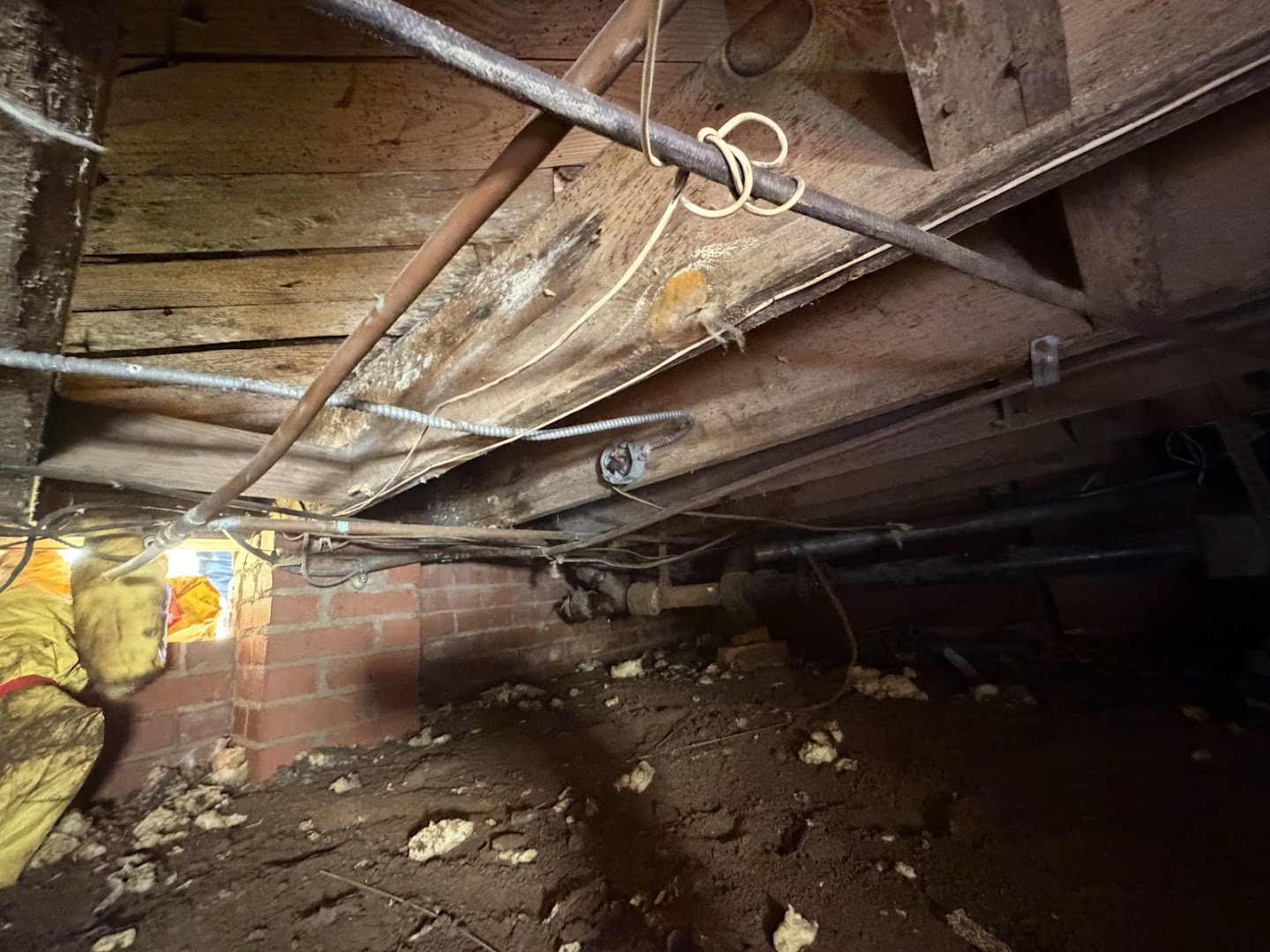
Under the house rather than a look in from the hatch: how far the growth has travelled along the joists and the subfloor, what material it is living in, and the moisture readings that explain why it is there at all.
Mitigation & Containment
The work area is sealed and put under negative air before anything is touched, so what is disturbed under the floor is not carried up into the rooms above through the same path the smell takes.
Cleaning & Drying
Affected material is bagged out and removed, hard surfaces are cleaned down, and the space is dried on equipment sized for an enclosed volume rather than a room.
Restoration & Repairs
Insulation, any section of subfloor cut out and any joist that had to be replaced go back, and the moisture source is identified in writing so whoever corrects it knows what to correct.
Documented at every step
A crawl space mold file answers two questions, and the owner is in a position to verify neither of them by looking. Where the moisture was coming from, and whether the growth stayed inside the containment instead of being carried up into clean rooms while it was being removed. Readings and photographs taken before, during and after the work are the whole record of both. That is what goes in the file:
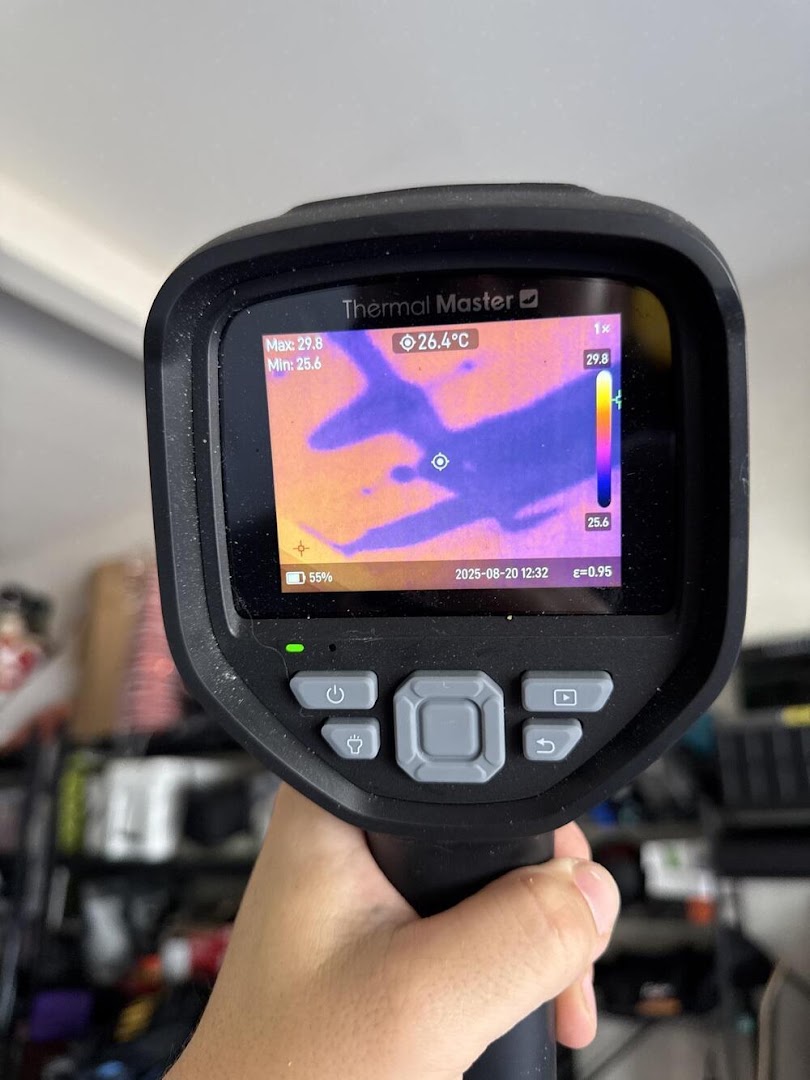
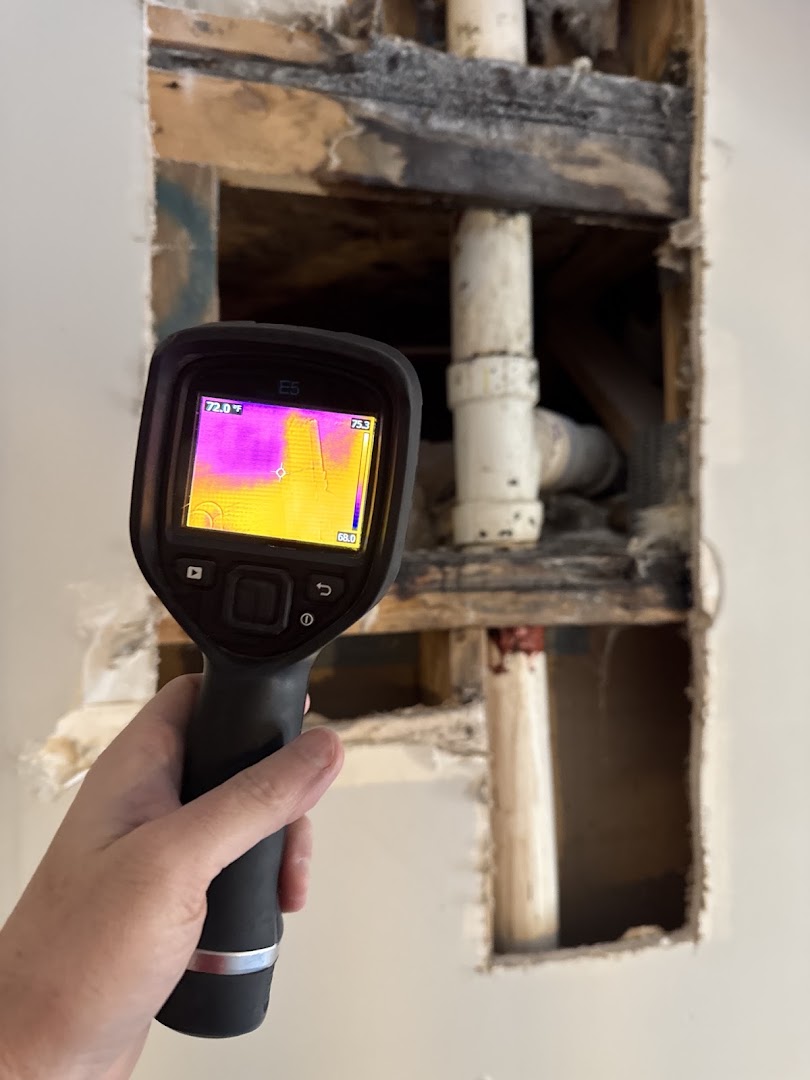
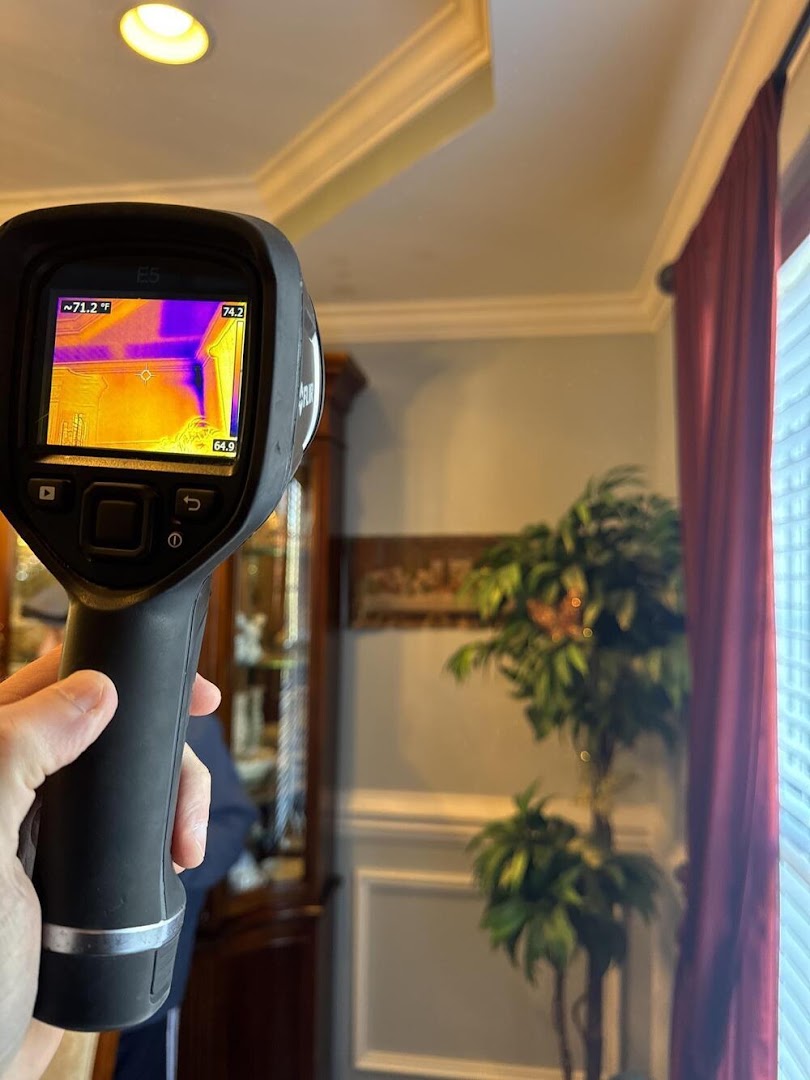
- Thermal imaging
- Moisture graphs
- Moisture mapping
- Daily drying logs
- Video documentation
- Xactimate estimates
- Equipment monitoring
- RH and GPP monitoring
- Moisture content readings
- Before, during and after photos
- Category and Class documentation
- Insurance documentation packages
Step one is finding out how far it has gone.
Service areas
Crawl space mold removal across the Charlotte metro and into South Carolina
25 cities, three offices, one number.
A crew can be on the road at any hour.


Our team
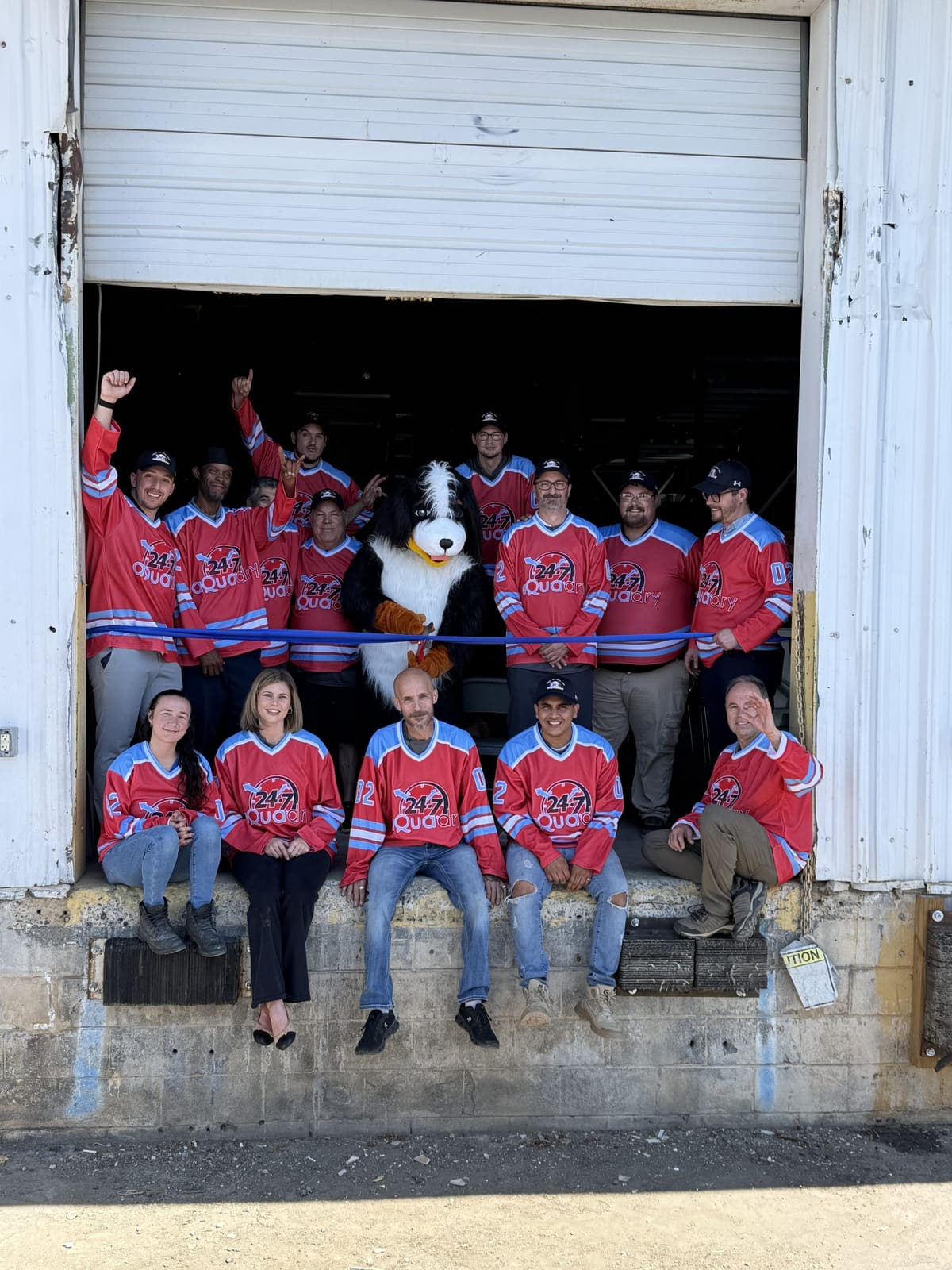
The team behind our crawl space mold removal work
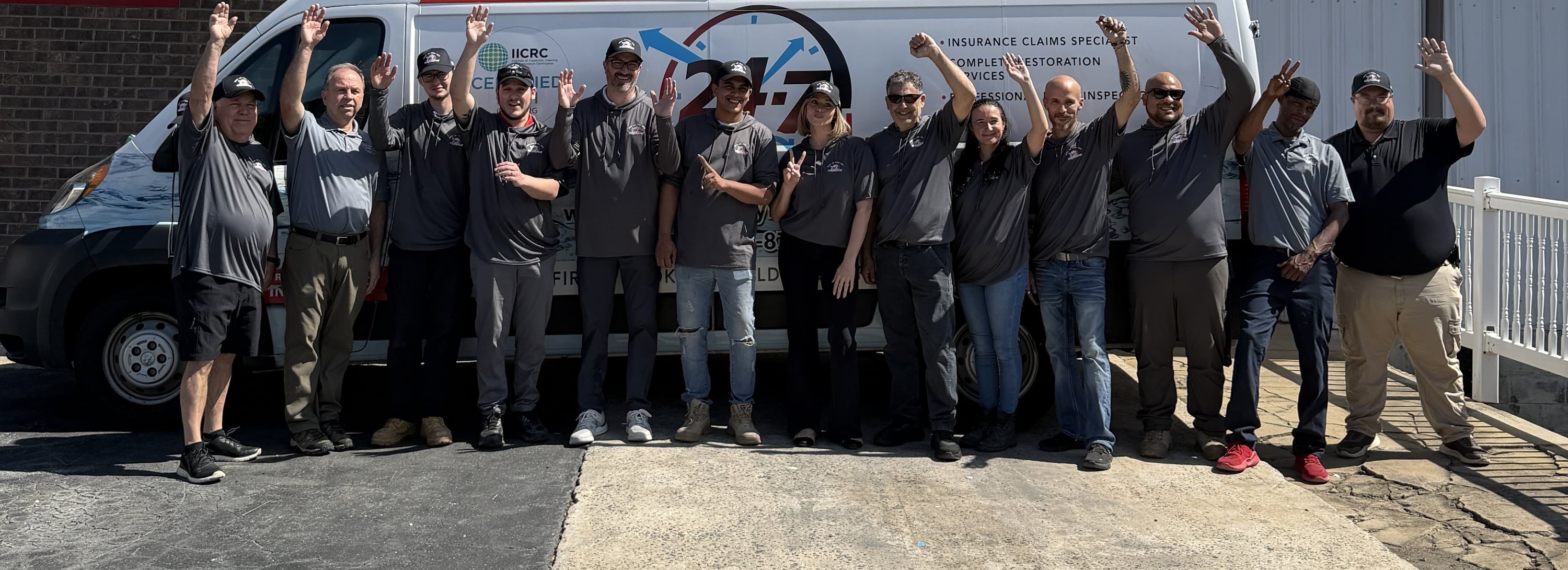
Owned by Dan DiPrima and Dan Friedman
The owners are reachable, and decisions about your job are made by people you can get hold of.
You get us, not a national call center
The number you call reaches the people who do the work.
An IICRC Certified Firm, #56517068
The certification is held by the firm and the number is public, so you can look it up rather than take our word for it. It is the industry standard for cleaning and restoration work.
Three offices across the Carolinas
Waxhaw, Fort Mill and Charlotte.
The names customers actually remember
Dan, Taylor, Zac and Johnathan all get named in our reviews.
Free estimate
Get a free estimate for
crawl space mold removal
Send us the details and we will call you back. This works at 2am when you would rather not talk on the phone.
- On site in 60 minutesFrom your call to our arrival.
- Available 24/7Someone answers, any hour.
- Free estimateNo obligation, no pressure.
In an emergency, calling is faster.Call (704) 912-4001
FAQ
Crawl space mold removal questions we get asked
How do I know the stuff on my crawl space joists is mold?
You often cannot, and certainly not from a photograph taken on a phone in a dark space. What grows on wood can look a lot like the white bloom that comes out of damp block and brick — though that bloom is a mineral deposit rather than anything living, and it shows up on the piers and the foundation wall rather than on the joists above them. In person the two are far easier to tell apart. The meter settles the part that matters either way, which is whether the wood under your floor is wet, and that visit costs nothing.
Do I need it tested before anything is removed?
Usually not, and the reason is that the result would not change the work. It is not necessary to determine what type of mold is growing in a building; all molds are treated the same way with respect to removal. What does change the work is how far it has spread and what it is growing in, and that is found by opening the material up and looking, with the readings deciding where to open next, rather than by sampling it. If testing is something you want anyway, or a buyer or a lender is asking for it, it gets arranged at the start rather than bolted on at the end — and an independent lab does it rather than us, because we should not be the ones grading our own work.
Is black mold under the house worse than the rest of it?
Not in a way that changes what happens next. Stachybotrys chartarum is a greenish-black mold that grows on high-cellulose material such as fiberboard, gypsum board and paper, and it needs constant moisture to keep growing — which is a fair description of a damp crawl space with old boxes in it. Putting a name to it does not change the work, though. What has to come out is decided by how far it has travelled and what it has got into, and that is the same question whatever is growing on the wood.
Can I clean crawl space mold myself?
Sometimes, within limits. If the patch is under about ten square feet — roughly three feet by three — then in most cases you can handle it yourself, wearing gloves, goggles and an N-95 respirator. Two things make that harder under a floor than it sounds. Almost nothing down there is a hard surface: the insulation, its paper facing and the subfloor are porous, and porous material that has gone moldy may have to be thrown away rather than scrubbed, because the growth fills the spaces inside it. And you would be doing it on your back in a space you cannot stand up in, in poor light, with a respirator that has to stay sealed against your face while you work. If you do go under there, prop the access open, tell somebody you are going, and come out if you cannot keep the mask sealed or cannot see the patch properly. Call instead if it is bigger than about that patch, if you cannot find where the moisture is coming from, or if you would rather not be the one under there.
Why does crawl space mold keep coming back after it is cleaned?
Because cleaning removes the growth and not the conditions. If wet or damp material is dried within 24 to 48 hours then in most cases mold will not grow, and the corollary is the problem under a floor: a space that stays damp for months is a space that will grow it again on whatever is left down there. So the question after a clean is what is still feeding it — a duct discharging under the house, grading that sends every rain at the foundation, ground water with nowhere to go. Until one of those is dealt with, the space goes back to the way it was inside a season.
What happens to the insulation and the subfloor?
The insulation comes out wherever the growth reached it. It is porous, it is usually paper-faced, and material like that may have to be thrown away once it has gone moldy rather than cleaned in place. The subfloor gets judged twice over. The meter says whether it is still wet, which is what decides if it can be dried; how far the growth has got into the wood is a closer question than a reading can answer, so that part is looked at and probed. Sound wood is cleaned down and dried, and wood that has gone soft, or that the growth is inside rather than on, is cut back past it and replaced. The same goes for a joist, which is framing and is sistered or swapped rather than patched.
Should I just have the crawl space encapsulated instead?
They are different jobs and the order matters. Encapsulation is a long-term moisture-control system, a sealed barrier usually with dehumidification, sold to keep a space dry in future. It does nothing about material that is already growing, and sealing a space over the top of it puts the growth behind plastic where nobody will see it again. Removal comes first either way: contain it, take out what it is in, correct the source that kept it wet. What a space needs after that is a separate question from this one.
Is the estimate really free?
Yes. We come out, tell you what we find and what the job involves, at no cost and with nothing owed if you decide not to go ahead. Nothing starts until you say so.
Are you licensed and certified?
Yes, and the numbers are public. North Carolina general contractor #83926, South Carolina #CLG-123544, and IICRC certified firm #56517068 for the cleaning and restoration work.
Which areas do you cover?
We cover 25 cities across the Charlotte metro and into South Carolina, worked out of offices in Waxhaw, Fort Mill and Charlotte. If your address sits near the edge of that, call and ask rather than guess, on (704) 912-4001.