- Google5.0 Rating400+ reviews
- Yelp4.8 Rating16 reviews
- Facebook100% Recommend16 reviews
Commercial Fire and Smoke Damage Restoration
A fire in one suite closes far more of a commercial building than it burns. Soot travels the return air and sprinkler water runs down through floors. We clean it, dry it, document it for the carrier, and rebuild what has to come out.
- Free estimates, no upfront costs
- We answer 24/7, on site within 60 minutes
- We work with all insurance companies


Why us
Why property managers call us for commercial fire damage
Three separate things keep a commercial building shut after a fire, and only one of them is the part that burned. Smoke is the second: it goes where the air goes, which in a commercial envelope means the return duct, the plenum above the ceiling grid and any suite that shares the loop. The fire protection system is the third, because until the alarm and the sprinkler heads are back in service the space sits under a fire watch and everything else has to run around it.
A commercial loss also carries a second inventory the structure does not account for. Product on shelves and pallets, fixtures, files and equipment pick up soot and odor on their own track, and they are assessed and restored as a separate line of work from the building itself. We take on both, and then rebuild what had to come out.
We work for you, not the insurance
Scope is where a commercial fire claim is won or lost: which ceiling tile is cleanable, whether a duct run gets replaced, how far into the neighboring suites the soot actually went, and what happens to product that smells of it. We sit on no carrier vendor list, which means whoever writes that scope answers to the property. Billing most carriers directly is a convenience we offer; it is not who we work for.
We dry it and we rebuild it
Cleaning a fire loss and rebuilding one are normally two vendors, two contracts and two waits, and the second wait is the one that keeps a suite dark. We are licensed general contractors in North Carolina and South Carolina as well as an IICRC certified firm, so the soot work, the drying, and the ceiling grid, drywall and finishes that go back afterwards all run on one schedule under one company.
Free estimate, any hour of any day
The estimate costs nothing and it is a real one. Someone walks the whole affected footprint rather than the burned room only, and puts numbers against the cleaning, the drying and the reconstruction before a single decision is asked of anyone. Nothing is owed if you stop there, and our commitment is to be at your door within 60 minutes.
- 60 minutesFrom your call to our arrivalAt your door within 60 minutes.
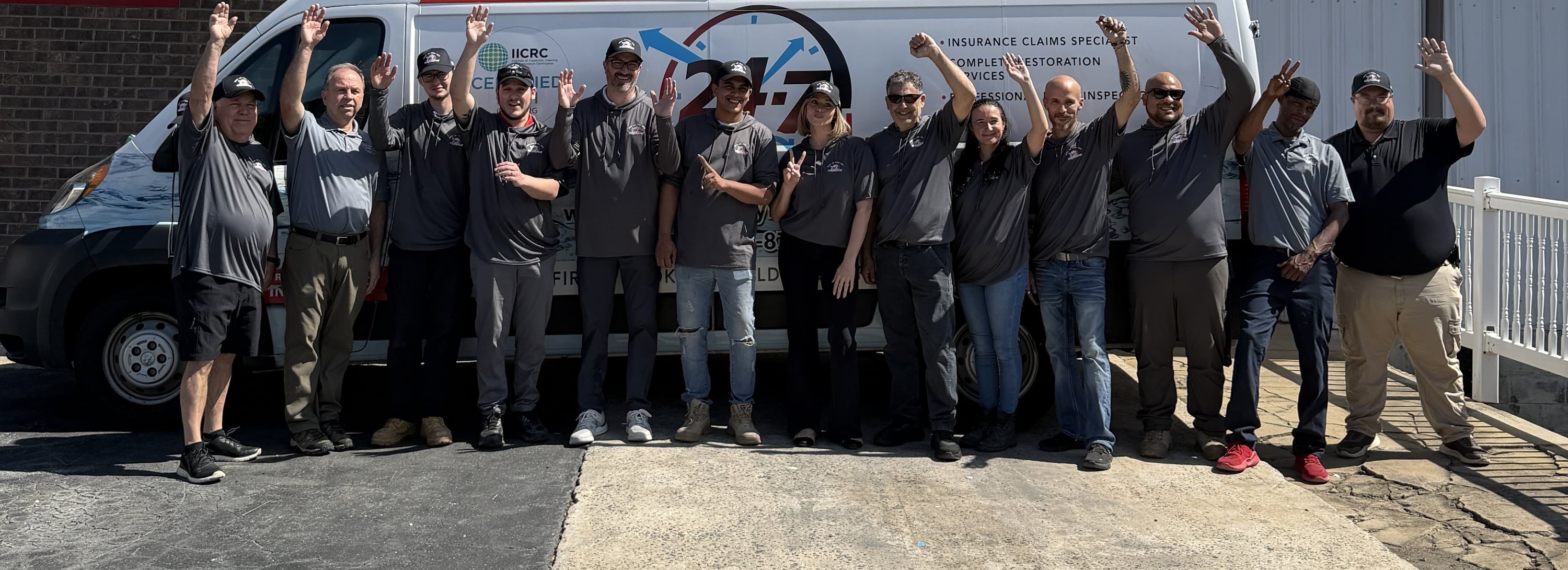
- Since 2014Family-owned, not a franchise
- 5.0 ★Google-rated
Where a commercial fire loss actually goes
The footprint of a commercial fire is almost never the footprint of the flame. Sprinkler water, shared return air, and a fire protection system that is now out of service each carry the loss somewhere the fire itself never reached.
The sprinkler system trips across a whole floor
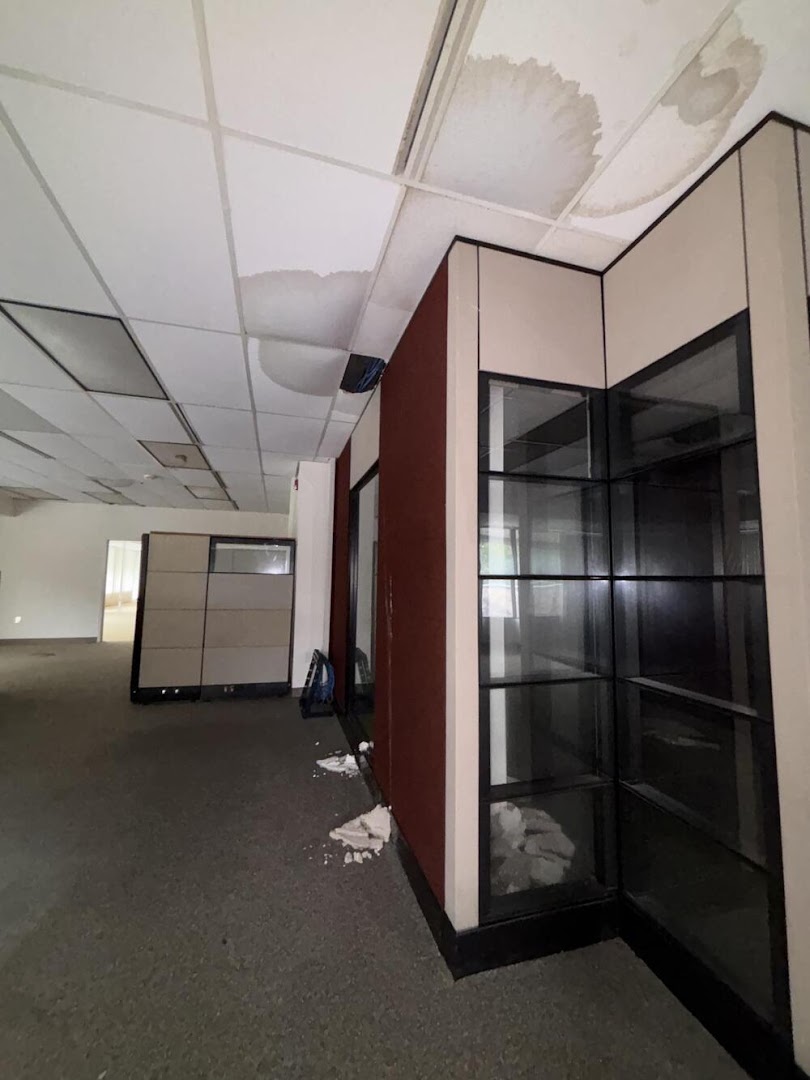
Heads open where the heat is and go on running until someone shuts the riser down, so water lands in stockrooms, corridors and offices the fire never came near. It fills the ceiling grid, comes through the tile and tracks along the floor assembly into whatever sits below. By the time the system is closed, the wet footprint is usually the larger of the two.
A grease fire in the hood and duct run
Grease built up inside a commercial hood, its filters or the exhaust duct ignites during service, and flame runs the duct before suppression knocks it down. Soot and atomised grease coat the line, the dining room pulls smoke back through the same exhaust path, and the kitchen stays shut until that whole run has been opened up and cleared rather than wiped at the visible end.
A fire that starts in an electrical room or panel
A short in a breaker panel, a transformer or a service closet burns hot in a confined space and often puts itself out before it spreads anywhere. What it leaves behind is melted insulation, scorched conduit and a smoke that has nowhere to go but into the return air. The room stays locked off until an electrician and the restoration crew have each signed off their part of it.
Smoke pulled into a shared return and out into other units
Multi-tenant buildings often run one air loop through several spaces. Smoke drawn into the return during a fire settles as soot and odor in ceiling tile, carpet and stock belonging to tenants who never saw a flame, and it presents as a smell rather than as a mark. The affected footprint is routinely wider than the suite the fire was in, which is why the assessment follows the loop and not the lease line.
A fire watch while the alarm or the sprinklers are down
When the fire, or the water used to fight it, takes the alarm panel or the sprinkler system out of service, code requires a person posted to watch for fire before the space may stay occupied. That watch sets the terms for everything else: when staff can be in the building, when trades can work, how long the doors stay open. It holds until the fire protection contractor has the system back and cleared. We schedule our work around a fire watch; we do not staff one.
Stock and inventory as a second, separate loss
On a retail floor, in a warehouse or in a storeroom, product on shelves and pallets takes on soot and odor even where the structure itself is barely marked. Packaging absorbs it, and goods that look untouched can still be unsellable. That is two losses running side by side, the building and the goods, and each is inventoried, assessed and worked on its own track rather than folded into one number.
Our customer reviews
Customer reviews from our restoration work
Real reviews from real jobs, in the reviewer's own words.
Restoration work is a stressful thing to hire for, so see what people say about how fast we answered, and how the job actually went.
 John Steffler
After my mother's house fire the Monday before Christmas, our family was overwhelmed and unsure of what to expect. From the very beginning, Dan and his team helped guide us through one of the most difficult situations we've ever faced. They were responsive, professional, and compassionate throughout the entire restoration process. What impressed us most was how much they genuinely cared — not just about the restoration work, but about helping our family get back to normal.
 Melissa Heller
I had a fire at my house. His company responded within an hour to assess what needed to be removed. Everything in the house was deemed toxic and everything we touched was black and contaminated. Dan plus his crew did an amazing job removing all this stuff — within 24 hours the place was cleared out and all hauled away.
Dan and his team were responsive, timely, friendly, and resourceful. They arrived when they said they would, provided a bid when they said they would, and completed the job within their estimated timeframe. Their professionalism and care stand out. I felt well taken care of throughout the process. I highly recommend 24/7 AquaDry!
 jeff mcfarland
The team was great to work with. Very responsive, professional, and detailed in their mitigation services. We are looking forward to working with them during the repair process!
They were very responsive, and honest — when the crew came the next day to do water removal a lot had drained out; they let us know and charged accordingly. Would definitely use again.
Insurance billing
We bill your carrier directly for commercial fire damage










You hire us for the restoration. We document the damage, coordinate with your adjuster, and keep you informed based on your policy and coverage. Where your policy and carrier allow it, we bill your carrier directly.
Direct billing subject to your policy and carrier approval.
What happens when you call
Our commercial smoke damage process
Two clocks run on a commercial fire and they do not run at the same speed. One is the building: soot comes off more easily the sooner it is worked, and the longer it sits the more of the job turns from cleaning into replacement. The other is the business, which is measured in days shut, and it is why the ladder below is built to release areas back in stages instead of all at once at the end.
The water half sets the pace. Sprinkler and hose water is a water loss in its own right, and drying wet materials within 24 to 48 hours means that in most cases mold will not grow, so extraction and drying start alongside the soot work rather than after it.
Response
A person answers, any hour of any day, and arrival is coordinated with the fire department release and whoever is holding the fire watch.
Assessment
The burnt footprint, the smoke footprint and the wet footprint mapped separately, plus a stock and equipment list, so the building and the contents are scoped as two files.
Mitigation & Containment
The worked area is sealed off so soot is not tracked through occupied suites, standing water comes out, and areas that can keep trading are kept out of the work zone.
Cleaning & Drying
Soot removed by whichever method each surface takes, the return path and duct runs addressed, the structure dried and metered, and odor traced back to whatever absorbed it.
Restoration & Repairs
Ceiling grid and tile, drywall, insulation, flooring, trim and paint put back, so the space is handed over finished rather than cleaned out and left open.
Documented at every step
A commercial fire loss is really several records kept at once. Sprinkler and hose water travels down through a building rather than staying on the fire floor, so the moisture readings below are doing real work here: they are what shows which floors got wet, how wet they were, and the date each one came back to dry. The soot mapping and the stock list sit alongside them:
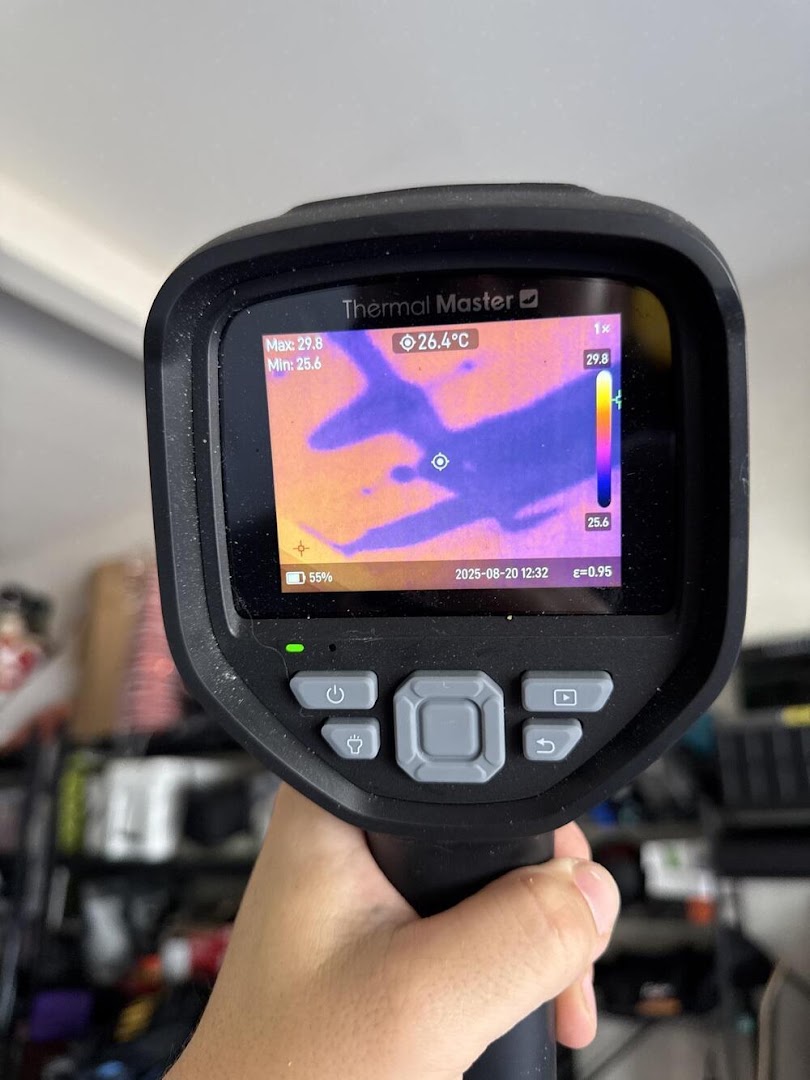
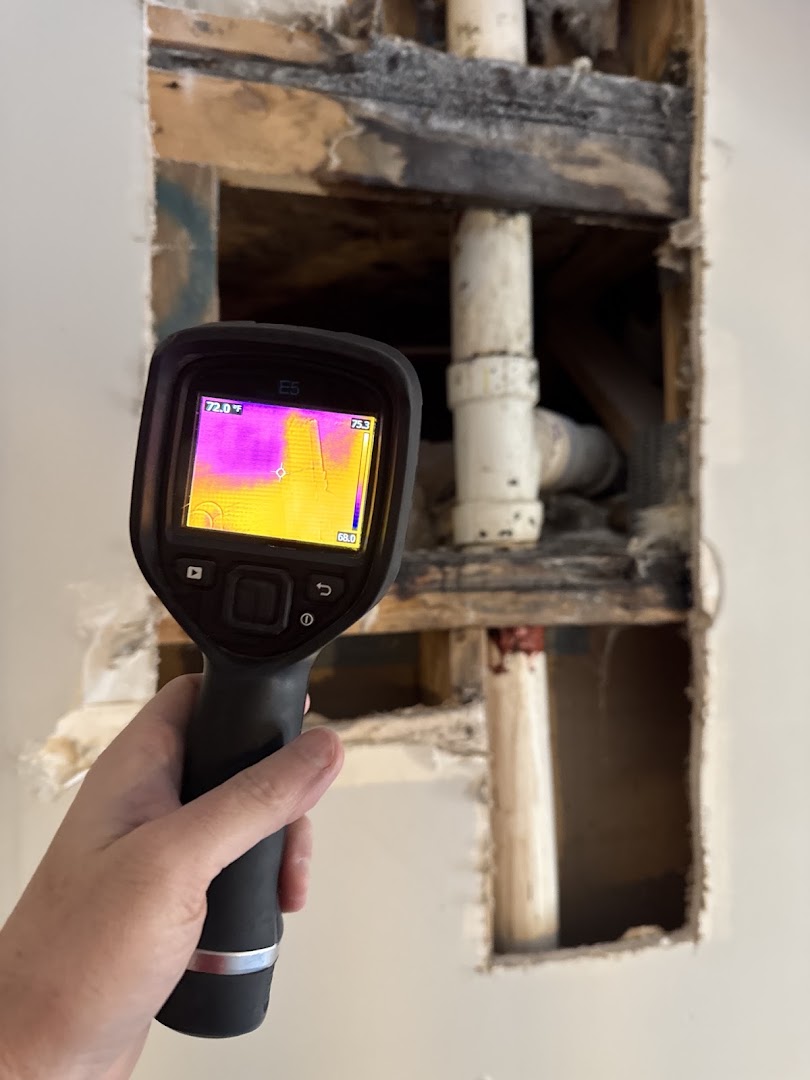
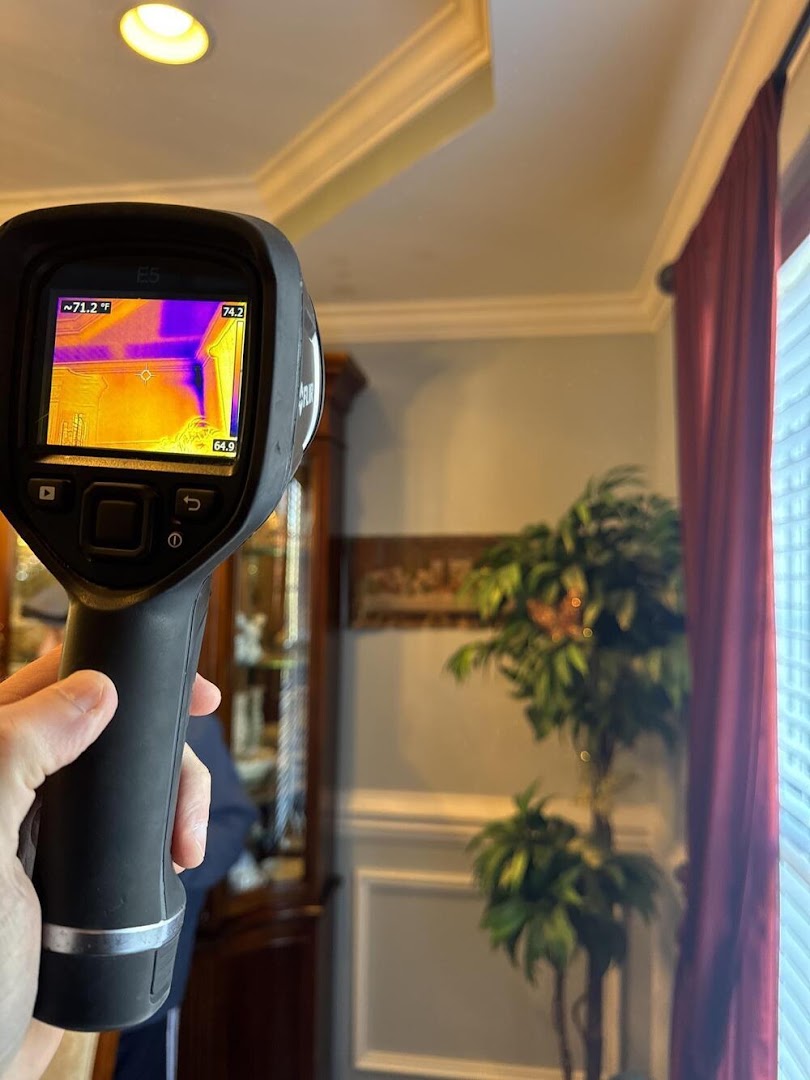
- Thermal imaging
- Moisture graphs
- Moisture mapping
- Daily drying logs
- Video documentation
- Xactimate estimates
- Equipment monitoring
- RH and GPP monitoring
- Moisture content readings
- Before, during and after photos
- Category and Class documentation
- Insurance documentation packages
Step one is mapping what the smoke and the water actually reached.
Service areas
Commercial fire damage across the Charlotte metro and into South Carolina
25 cities, three offices, one number.
A crew can be on the road at any hour.


Our team
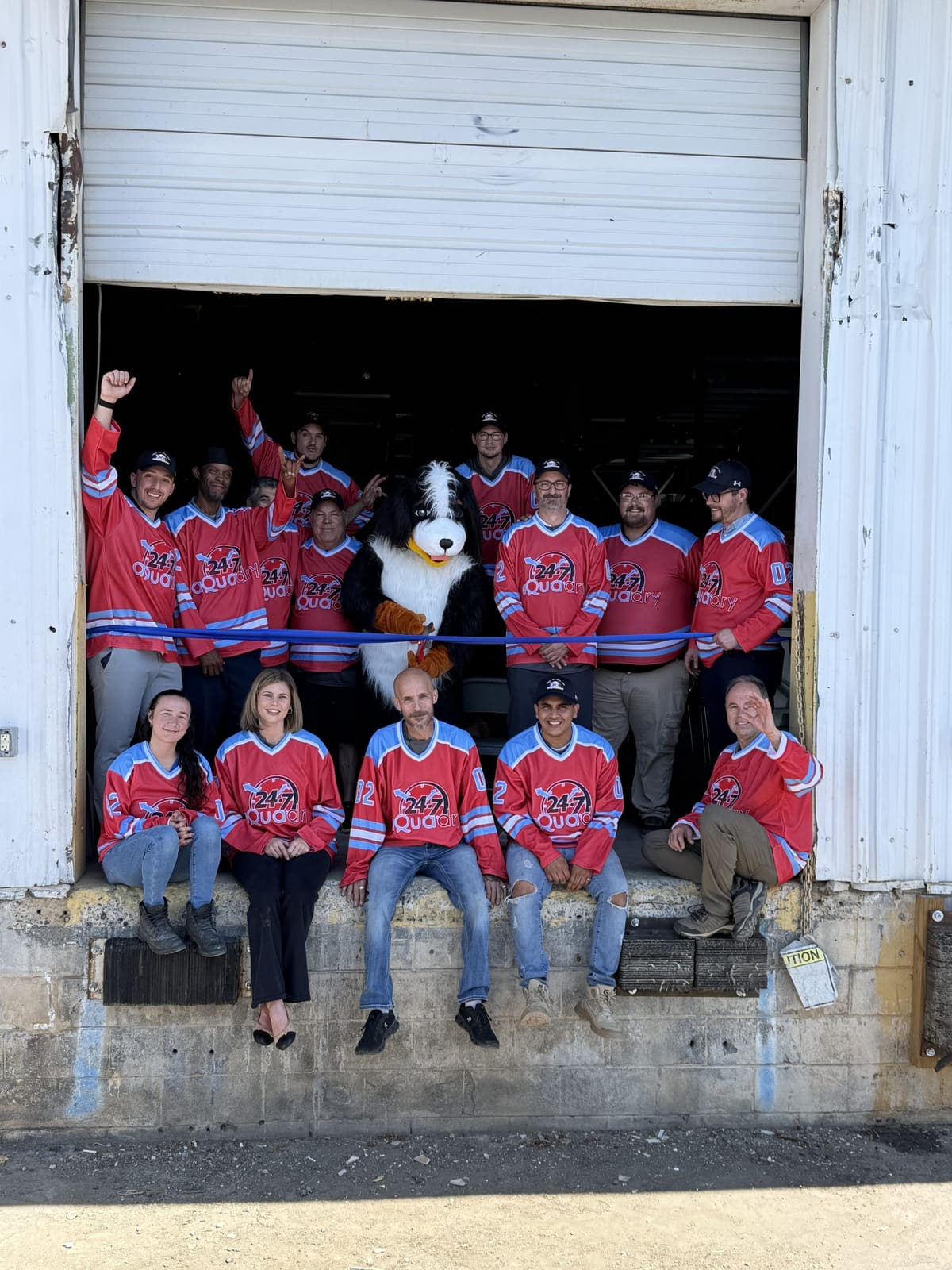
The team behind our commercial smoke damage work
Owned by Dan DiPrima and Dan Friedman
The owners are reachable, and decisions about your job are made by people you can get hold of.
You get us, not a national call center
The number you call reaches the people who do the work.
An IICRC Certified Firm, #56517068
The certification is held by the firm and the number is public, so you can look it up rather than take our word for it. It is the industry standard for cleaning and restoration work.
Three offices across the Carolinas
Waxhaw, Fort Mill and Charlotte.
The names customers actually remember
Dan, Taylor, Zac and Johnathan all get named in our reviews.
Free estimate
Get a free estimate for
commercial fire damage
Send us the details and we will call you back. This works at 2am when you would rather not talk on the phone.
- On site in 60 minutesFrom your call to our arrival.
- Available 24/7Someone answers, any hour.
- Free estimateNo obligation, no pressure.
In an emergency, calling is faster.Call (704) 912-4001
FAQ
Commercial fire and smoke damage questions we get asked
How long does commercial fire damage restoration take?
It turns on three things: how much of the structure has to come out, how far the smoke traveled, and how wet the building became. The emergency work, meaning securing the space, extraction and containment, starts on the first visit. Cleaning and drying run together over the days after that. Reconstruction is the long tail and it gets scheduled against your reopening date. You get the sequence and what each step waits on, in writing, rather than one number we would only have to revise.
Can employees go back into the building after a fire?
That is not ours alone to decide, and it is worth saying plainly. Reoccupancy turns on the fire department release, the local inspector, and whether the alarm and sprinkler system are back in service or a fire watch is covering them. What we control is the restoration side: containment that separates worked areas from occupied ones, and a sequence that hands space back in stages so the whole building is not waiting on the worst room. We work to whatever the authority having jurisdiction sets.
Does smoke damage affect the whole building or only the unit that burned?
Frequently more than the unit. Smoke follows air, and a multi-tenant building usually shares a return path, a plenum above the ceiling grid, stairwells and elevator shafts. Soot and odor settle into tile, carpet, soft goods and stock in suites that never saw a flame, and they often show up as a smell with no visible mark, which is the version tenants report last. The assessment follows the air path, so what gets cleaned is decided by where the smoke went rather than by where the lease lines are.
Do you work with our carrier on a commercial fire claim?
We bill most carriers directly for the restoration work, so the invoicing is not sitting with your finance team while the space is shut. What we do not do is tell you what your policy responds to; that stays between you, your broker and your insurer. Our part is the record: the burnt, smoke and wet footprints mapped separately, a contents and stock list kept apart from the building scope, moisture readings logged through drying, and photographs of everything before it is removed. We are on no carrier vendor list, so that record is written for the property.
Can part of the building keep trading while you work?
Often yes, and it is worth asking on day one because it changes how the job is set up. Containment can separate a worked area from an occupied one, air pressure can be run so soot and odor do not cross into it, and the sequence can be built to release space back in stages. What usually limits it is not the restoration work; it is the fire protection system, the fire watch, and what the inspector will sign. We plan around those rather than pretend they are not there.
Where does a commercial fire loss actually spread to?
Further than the fire itself, almost always. A sprinkler system tripping puts water across an entire floor regardless of where the flame was. Grease fires travel the hood and the duct run. Fires starting in an electrical room or panel put smoke into everything those risers serve. And in a shared building, smoke pulled into a common return comes out in units that never saw fire, which is why the assessment covers the whole property.
Is the estimate really free?
Yes. We come out, tell you what we find and what the job involves, at no cost and with nothing owed if you decide not to go ahead. Nothing starts until you say so.
Are you licensed and certified?
Yes, and the numbers are public. North Carolina general contractor #83926, South Carolina #CLG-123544, and IICRC certified firm #56517068 for the cleaning and restoration work.
Which areas do you cover?
We cover 25 cities across the Charlotte metro and into South Carolina, worked out of offices in Waxhaw, Fort Mill and Charlotte. If your address sits near the edge of that, call and ask rather than guess, on (704) 912-4001.