Who Pays When a Sewer Backs Up Into a Charlotte Home?
On this page
Who pays comes down to two things: where the sewer is blocked, and what your insurance policy says. If the blockage is in the public sewer, Charlotte Water’s crews clear it. If it is in your home’s private plumbing, the City will not take it on, and you call a plumber.
The damage inside the house is a separate bill. The North Carolina Department of Insurance says a standard homeowners policy does not cover water backup or sump overflow. The department adds that most insurers sell that coverage as an add-on, which may not be offered unless you ask.
We do not fix pipes. Clearing the line is work for a plumber, or for Charlotte Water on the public side. Our part is cleaning up after a sewage backup, the drying and the rebuild. Below, we take each part of the bill in turn.
Does the City Pay to Clear a Sewer Blockage in Charlotte?
When the blockage sits on the public side, clearing it is the City’s job. Charlotte Water’s troubleshooting page says the utility will assist when a backup comes from a blocked public manhole or public sewer pipe. Its crews locate and remove the blockage in the public sewer main or “the City maintained portion of the customer’s connection.”
The private side works the other way. For a backup in your private internal plumbing, Charlotte Water says the City “cannot assume responsibility for the blockage or the necessary repairs.” The page tells you to contact a plumbing contractor for those repairs.
Here is the gap. Charlotte Water’s troubleshooting page does not say where the City-maintained portion of a connection ends for an existing home. The Charlotte Water Cares page says “most customers do not know they are responsible for the water and sewer lines running to their homes.”
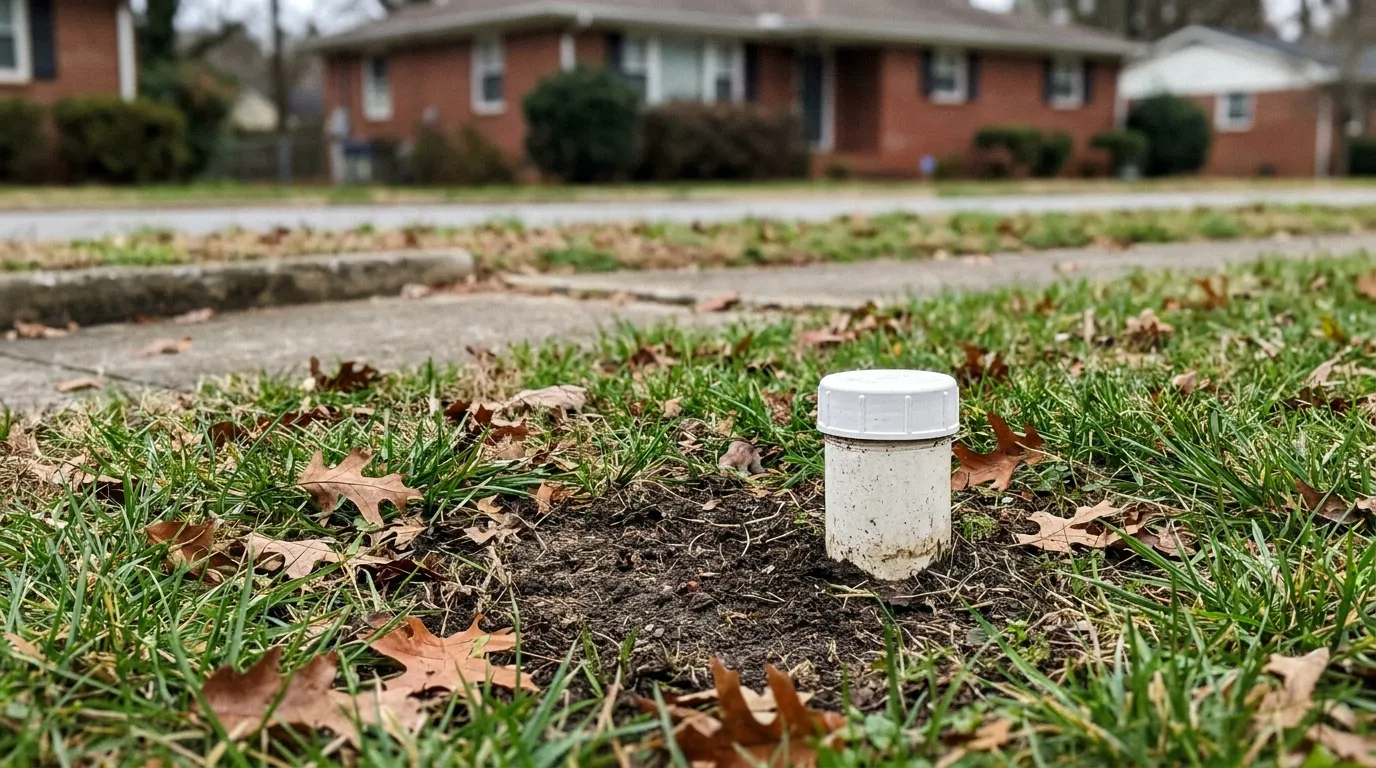
New connections are spelled out. Charlotte Water’s Residential Service Application covers a new sewer service. It makes Charlotte Water responsible from the main “to the clean out, installed directly behind the road right-of-way.” The customer is responsible from that cleanout to the house. That split is written for new service, so do not assume it fits an older home.
The CDC’s flood safety guidelines say never to use electric tools or appliances while standing in water. If water covers the floor near an appliance, stay out of the water.
Not sure which side the clog is on? Charlotte Water lists these steps:
- Turn off any water appliances that are on, such as a washing machine or dishwasher.
- If that stops the backup, contact a plumber.
- If the backup continues, call 311 or 704-336-7600.
For example, say the washer is off and sewage still comes up a basement drain. That is step 3, so the call goes to Charlotte Water.
These rules are Charlotte Water’s, so they fit homes on Charlotte Water’s sewer. If another utility sends your sewer bill, ask that utility how it splits the line. A home on a septic tank has no public sewer side, so these rules do not apply to it.
Does Homeowners Insurance Cover a Sewer Backup in Charlotte?
Usually not, on a standard policy. Water backup means water or sewage that comes up through your drains, rather than leaking from a pipe or coming in from outside. The North Carolina Department of Insurance says a standard homeowners policy does not cover water backup or sump overflow. Its page on optional coverage says most insurance companies offer that coverage as an endorsement. An endorsement is an add-on to your policy.
The page also warns the coverage “may not be offered to you when purchasing homeowners insurance coverage if you do not ask for it.” The department lists it as one add-on, “Water Backup and Sump Overflow.” So the same add-on matters if your basement has a sump pump. If you are not sure what you have, ask your agent whether your policy covers sewer, drain and sump pump backup. Ask what the limit and the deductible are, too.
Service-line coverage is a different product, meant for the pipe itself. Say a clog in your sewer line backs water into the house. In that case, backup coverage is aimed at the damage inside, not at replacing the line.
For the water and sewer lines outside your house, the Charlotte Water Cares page points to an optional HomeServe plan. The page calls the plan’s provider “an independent company separate from Charlotte Water” and leaves the choice to you.
Is backup coverage worth adding? That is your call, and it depends on what sits low in your house. For example, a finished basement with carpet and a sofa has far more to lose than a bare concrete floor. Ask your agent for the price, and weigh it against what is finished or stored down there.
Burst pipes and slow leaks follow different rules, which our post on what homeowners insurance covers for water damage explains.
What Costs Does a Homeowner Pay After a Sewer Backup in Charlotte?
Each part of a sewer backup has its own payer. Here is how the bill usually splits for a home on Charlotte Water’s sewer.
| Part of the bill | Who does the work | Who usually pays |
|---|---|---|
| Clearing a blockage in the public sewer main | Charlotte Water’s crews | Charlotte Water |
| Clearing or fixing your private sewer line and plumbing | A plumber you hire | You, though service-line coverage could help with the pipe |
| Cleanup and drying inside the house | A restoration company | You, or your insurer if your policy has backup coverage |
| Tear-out and repairs to walls, floors and cabinets | A general contractor | You, or your insurer if your policy has backup coverage |
| Furniture and other belongings | You choose what to replace | You, or your insurer if your policy has backup coverage |
Two things decide most rows: where the blockage sits, and whether your policy has the backup add-on.
Start with the pipe. Replacing a private sewer line is your cost, unless service-line coverage helps. Fixing the pipe, and pricing that fix, is a plumber’s job.
Even with backup coverage, your policy shapes the payout. Backup coverage usually comes with a deductible, the part of a claim you pay yourself, and its limits may vary.
Terms can differ as well. Some insurers cover backup damage only if the water originates from your home. That matters if you think the public main was the cause.
What your policy covers is decided by your insurance company, not by us.
For example, say roots crack your private sewer line and sewage comes up a basement floor drain. The plumber’s bill for the line is yours, unless service-line coverage helps. If you have backup coverage, your insurer decides what it pays toward the cleanup, repairs and belongings, after your deductible. Without backup coverage, those costs usually fall to you.
What if you think the public main caused the backup? Charlotte Water’s troubleshooting page deals with clearing the blockage. It says nothing about paying for damage inside a home, so ask Charlotte Water directly at 311 or 704-336-7600.
Cleanup and repairs inside the house are where we come in. We hold North Carolina general contractor license #83926, so the same company dries the building and does the repairs.
Do You Need a Backwater Valve in Charlotte, and Who Pays for One?
A backwater valve is a one-way fitting in your home’s drain piping. When it is properly installed and maintained, it lets sewage go out but not come back in, as the Insurance Information Institute explains. A valve needs upkeep to keep working, so ask the plumber what that involves.
Whether the code calls for one depends on height. Section 715.1 of the 2018 North Carolina Plumbing Code sets the rule. Fixtures on a floor below the manhole cover of the next upstream manhole in the public sewer must be protected by a backwater valve. Fixtures on a floor above that cover are not supposed to drain through one. The code also lists exceptions, so a plumber is the right person to apply it to your house.
In plain terms, the next upstream manhole is the first one on the public sewer upstream of where your line connects. When a blockage in a city main goes undetected, sewage can back up into homes through floor drains.
For example, say your house has a finished basement with a bathroom. If that floor sits below the cover of the next upstream manhole, the code calls for a valve on those fixtures.
Charlotte Water says a professional plumber or contractor can tell you whether your property has a backwater valve or requires one. This post is not telling you an older home must add one now. A plumber can check where your lowest floor sits and whether a valve is already in place.
As for who pays, the code puts the valve in the building drain or the branch serving those fixtures. That is your own plumbing, the side Charlotte Water leaves to a plumber. So adding a valve is a job you arrange, and pay for, with a plumber. Installing one is plumbing work, which we do not do.
What Should You Do First to Protect a Sewer Backup Claim in Charlotte?
The CDC’s flood safety guidelines say to stay out of the water, and never to switch power or use appliances while standing in it. With that in mind, deal with the backup first, using Charlotte Water’s three steps above. A sewer backup can lead to disease and even electrical problems, so arrange the cleanup right away.
Then protect the claim. The NC Department of Insurance’s page on what to do after a loss lists what homeowners policies in North Carolina require. It adds its own advice too. Here are the steps from that page that apply in the first hours of a sewer backup:
- Give prompt notice to your agent or insurance company.
- Protect your property from further loss or damage, and keep a record of what you spend on temporary repairs.
- Take photographs of the damage, before and after emergency repairs, and keep all receipts.
- Do not make extensive repairs before the claims adjuster arrives.
- Keep damaged personal property, and show it with any records your agent or company asks for.
- List everything you want to show the adjuster, and give your agent a list of all damaged property.
- If you must leave home, secure it, remove valuables, lock up, and tell your agent or company how to reach you.
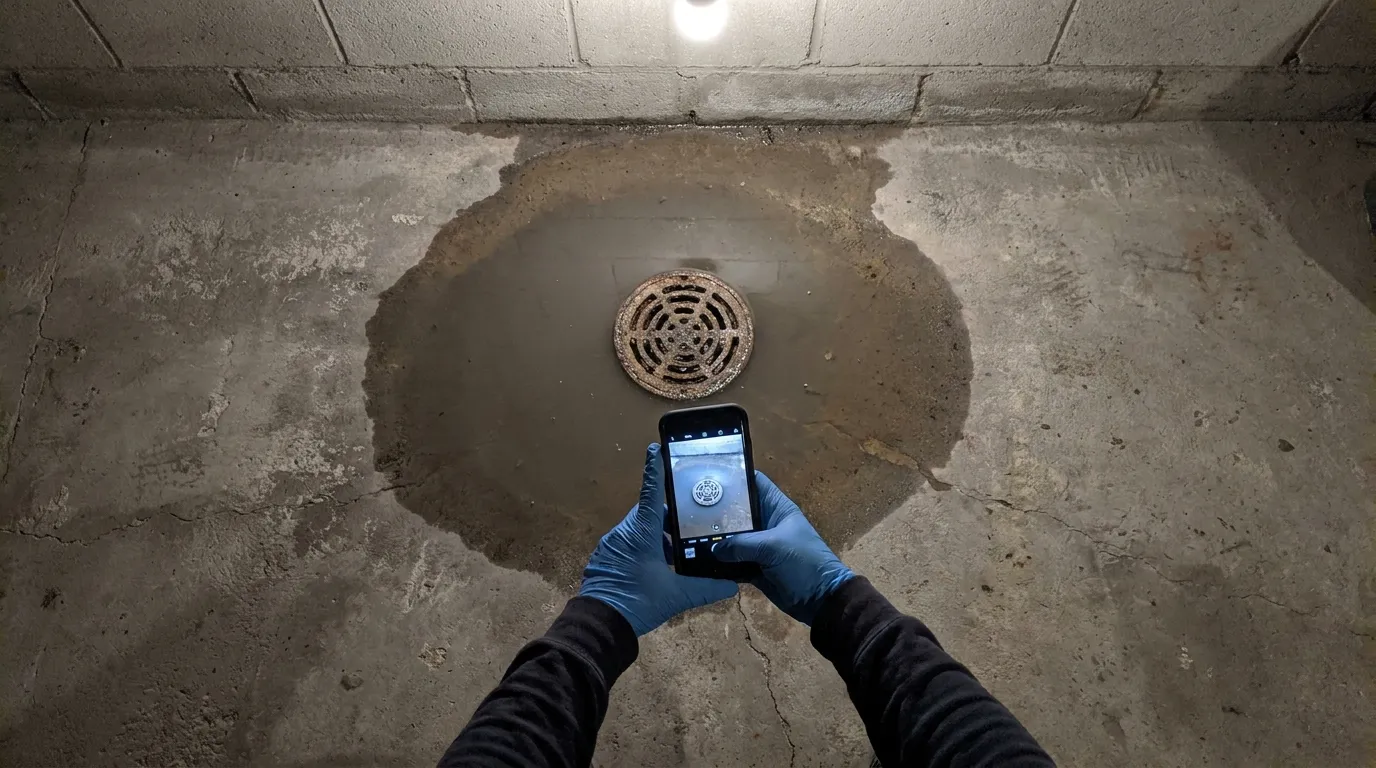
The department says your policy requires reasonable emergency repairs to prevent further damage, but warns against extensive repairs before the adjuster arrives. Your insurance company can tell you where that line falls on your claim. For belongings you plan to claim, take photos, and ask your insurance company before they leave the house.
Cleanup is where we come in, and you can read the steps we follow on these jobs. We answer the phone 24 hours a day, every day.
We document the damage with photos, thermal imaging, moisture readings and daily drying logs, and you get a copy of all of it. We write estimates in Xactimate, the software most carriers price restoration work in. We meet the adjuster at the property and walk them through what we found. Where the policy and carrier allow it, we bill the insurance company directly for the restoration work. Our page on how claim documentation works shows what we document and what stays with you and your insurance company.
The Bottom Line on Sewer Backups in Charlotte
Charlotte Water’s crews clear blockages in the public sewer main and the City-maintained portion of your connection. Your home’s private internal plumbing is yours, and a plumber fixes it. Charlotte Water’s troubleshooting page does not say where the City-maintained portion of a connection ends for an existing home.
The North Carolina Department of Insurance says a standard homeowners policy does not cover water backup or sump overflow. The endorsement that adds it may not be offered unless you ask. Backup coverage and service-line coverage are different products, aimed at different parts of the loss.
If sewage comes up a drain, keep the CDC’s flood safety guidelines in mind and deal with the backup first. Then protect the claim with the department’s steps. What your policy covers is decided by your insurance company, not by us. If you need the cleanup, call us. For towns around Charlotte, see the Mecklenburg County water damage page.