What Should You Do When Sewage Backs Up Into a Rock Hill Home?
On this page
Stop flushing, keep children and pets away from the sewage, and don’t touch it without rubber boots, gloves and goggles. Then get the line cleared before anyone starts cleaning. For homes on Rock Hill’s city sewer, the City is responsible for its main lines and the tap. You’re responsible for the service line from the tap to your house.
Call the City at 803-329-5500 before you call a plumber, and press 0 to reach a person. The City will come out at no charge and check whether the problem is the City’s or yours. If it’s yours, call a plumber. Once the drains run again, the sewage cleanup can start, and that half of the job is ours. We don’t clear or repair sewer lines. We handle the cleanup, the drying and the repairs that follow.
Should You Call the City or a Plumber When Sewage Backs Up in Rock Hill?
If your home is on the City’s sewer, call the City first. The City asks you to call it before you call a plumber. It comes out at no charge and checks whether the problem is its job or yours. If it’s yours, call a plumber. The City treats a sewer backup as a utility emergency and wants it reported by phone.
Which side of the tap the blockage is on decides who clears it. The tap is where your home’s line connects to the City’s sewer main. For homes on the City’s sewer, the City is responsible for its main lines and the tap, according to its page on preventing sewer backups. The owner is responsible for the rest, “the service line from the tap on the sewer main” all the way to the house.
For example, tree roots can grow into the joints of a sewer line. If roots block your service line, the City says you “must contact a licensed plumber” to have it cleaned from the house to the main.
Clearing the line stops the backup, but it doesn’t clean the house. Who pays for that damage is a separate question, and the answer for Charlotte homes is in who pays when a sewer backs up. If backups keep coming back, tell the City, and have a plumber look for the cause in your line. If roots are the cause, a plumber may need to cut them back on a regular schedule.
What Should You Do in the First Hour of a Rock Hill Sewage Backup?
Protect people first, stop adding to the mess, then make your calls. Raw sewage carries bacteria, viruses and parasites. Contact with it can cause stomach illness, skin rashes and infected cuts, so touching it comes last, and only with the right gear on. Work through these steps in order.
- Keep children and pets out of the affected rooms until the cleanup is finished. Stay out yourself until the power is safe and your gear is on.
- Stop flushing toilets while the line is backed up. It’s the first step in the Connecticut Department of Public Health’s 2020 guide for residents with a sewage backup.
- If you smell gas or suspect a leak, get everyone out of the house and call for help from outside. Don’t turn on lights or do anything that could make a spark. Don’t go back in until you’re told it’s safe.
- Make the power safe. If outlets, cords or appliances are wet or close to the sewage, shut the power off at the main breaker or fuse box. Do it only from a dry spot. If you’d have to step into standing water to reach the panel, call an electrician instead. Never switch power on or off, or use a plug-in tool or appliance, while standing in water. Have an electrician check the system before the power goes back on.
- Report the backup to the City by phone, at the number above. The call reaches Rock Hill Utilities. The City’s online request form is for non-emergencies and isn’t watched after hours, so don’t use it for a backup.
- Put on rubber boots, rubber gloves and goggles before you touch anything. That’s the gear CDC’s guidelines for cleaning safely after a disaster call for when sewage is involved. Cover any cut or scrape with a waterproof bandage first.
- Take photos of every affected room, and keep a list of anything you throw away. You’ll want both if you file an insurance claim.
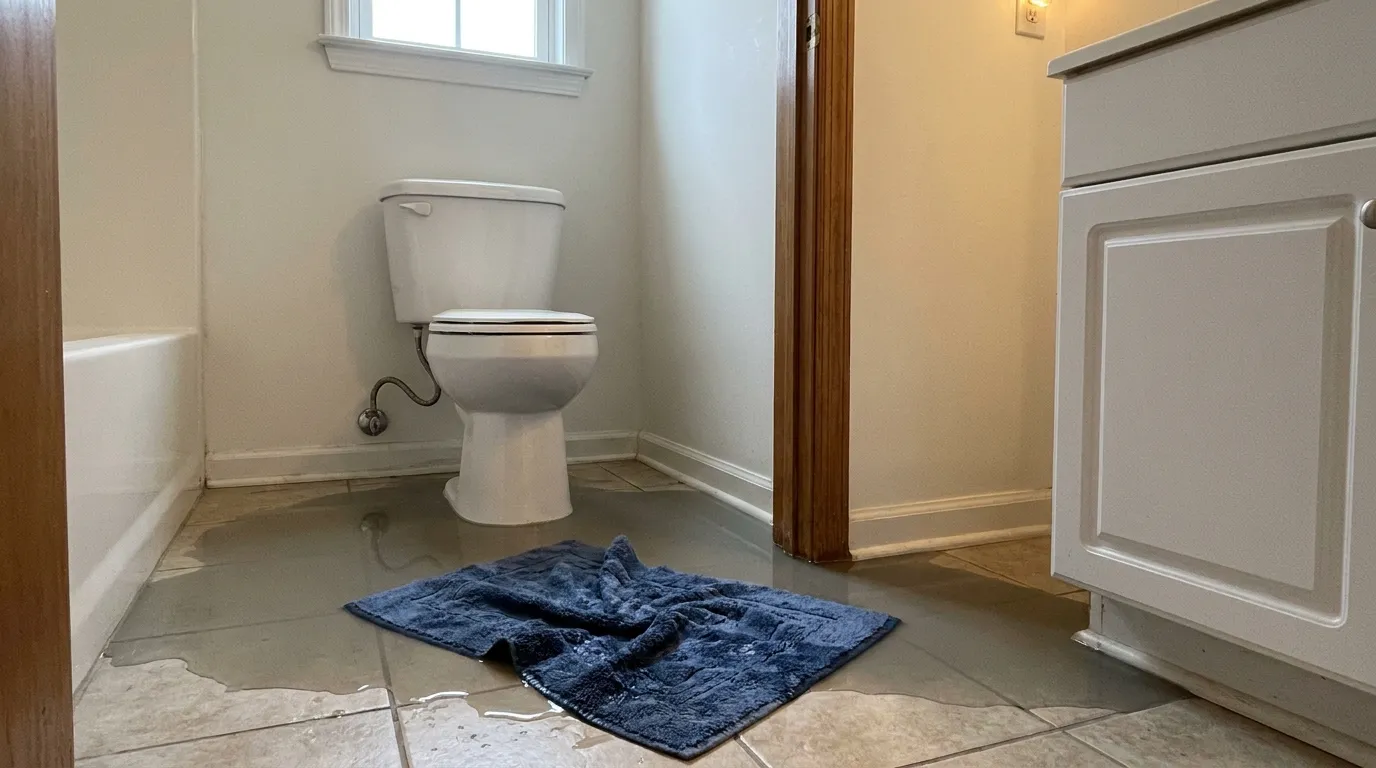
If anyone gets sick after contact with the sewage, call your doctor. If you’re deciding whether to sleep somewhere else until it’s cleaned up, see our guide to staying in the house after water damage.
What Should a Rock Hill Homeowner Do After a Plumber Clears a Sewage Backup?
Start the cleanup as soon as the drains run again. The risk of illness grows the longer sewage stays in contact with your floors and walls. Work in order: remove what the sewage soaked, clean and sanitize what stays, then dry the structure and repair it. The IICRC’s S500 standard for professional water damage restoration treats sewage as Category 3 water. It puts the cleanup ahead of drying. It also calls for restoration companies to use protective gear and containment, such as barriers that seal off the work area.
If there’s standing water, a wet-dry shop vacuum can pull it up, but only once an electrician has said the power is safe to use. Wear rubber boots while you run it.
Throw Out What Soaked It Up
Anything that can’t be cleaned or dried quickly goes in the trash. For example, that means carpet and its pad, rugs, mattresses, pillows, upholstered furniture, stuffed animals, baby toys, cosmetics, books and paper. Any food or medicine the sewage touched goes too. Seal what you throw out in heavy plastic trash bags. If a piece of furniture matters to you, an estimate from a professional cleaner can help you decide whether it’s worth saving.
Drywall and insulation that sewage reached have to be removed and thrown out as well. Drywall pulls water up above the line you can see, so the damage can reach higher than the stain.
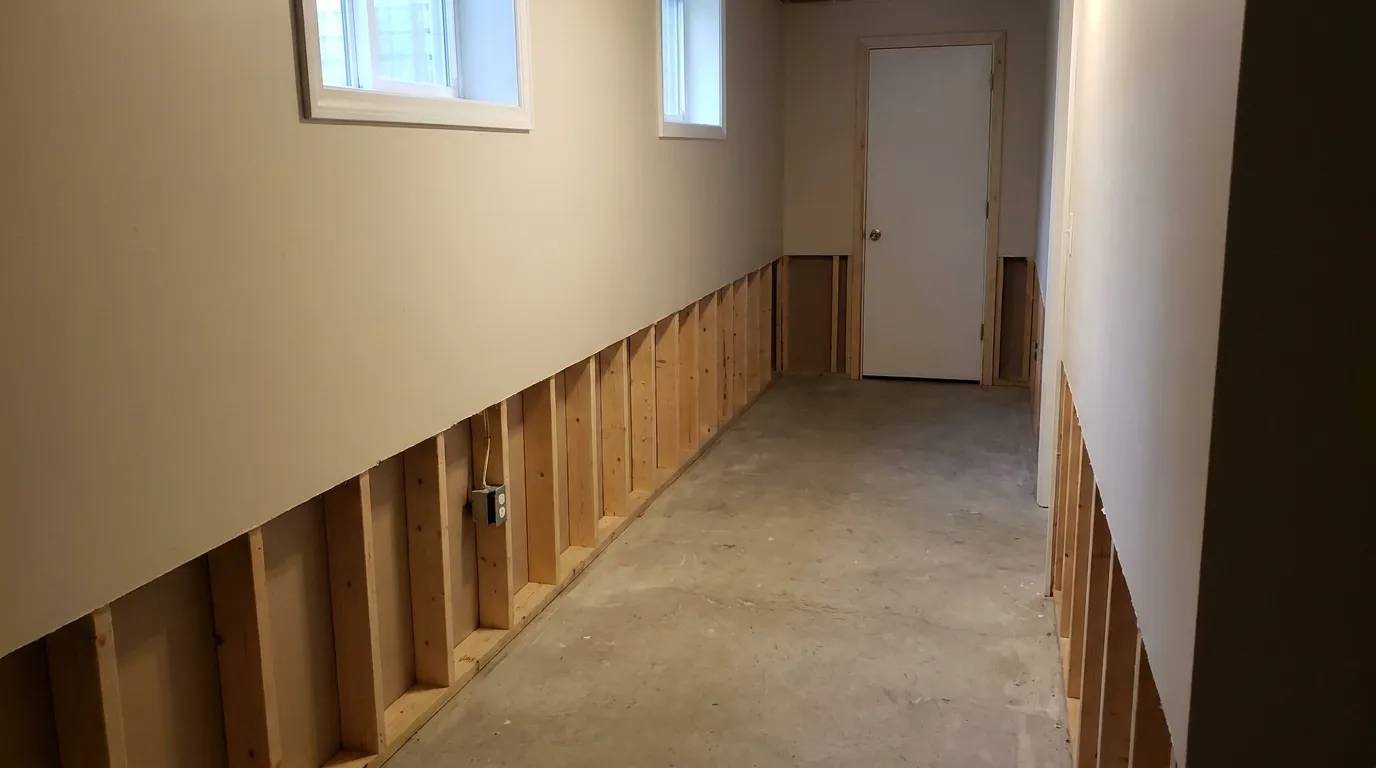
Wash, Then Sanitize Hard Surfaces
Hard surfaces can usually be cleaned and kept, from tile and concrete to sinks, appliances and metal furniture. Clothes may be saved if they can be laundered well. Pick up any solid waste first and bag it. For hard surfaces that don’t soak up water and don’t touch food, use the CDC’s steps for cleaning with bleach. CDC wrote them for surfaces that floodwater touched. Before you start, open windows and doors and put on rubber boots, gloves and eye protection. Never mix bleach with ammonia or other cleaners.
- Wash it with soap and warm, clean water.
- Rinse it with clean water.
- Sanitize it with 1 cup of regular, unscented household bleach (5 to 9 percent strength) in 5 gallons of water.
- Let it air dry.
When you finish, wash up with soap and water. Wash the clothes you cleaned in separately, in hot water and detergent.
Drying and Repairs Come Last
With the sewage and the ruined materials out, the structure still has to dry. Appliances and other electrical equipment that got wet must be completely dry before anyone uses them again. If there’s any question, have an electrician check them first.
Walls, floors and furniture can stay soaked inside, and mold can thrive in that moisture. So we dry to a measured moisture target, with readings taken daily, not to “looks dry.” Then the walls and floors that came out go back in. That’s the drying and rebuilding work we do after the cleanup. We’re a licensed general contractor in South Carolina (CLG-123544), so the same company dries the building and does the repairs.
When Is Sewage in a York County Home Too Much to Clean Yourself?
It’s too much when the sewage has gone where you can’t clean it from the surface. It’s also too much when someone in the house is more likely to get sick. The risk depends on how much sewage there is, what germs it carries, how long it sat, and how long people were around it. Hand the job to a professional if any of these fit:
- Sewage got into the ducts of a forced-air furnace or central air system. Don’t run the system if it did.
- Sewage sat in a finished living space for more than 24 hours. The Connecticut Department of Public Health’s 2020 guide lists that among the cases that favor hiring a professional.
- It soaked into drywall, insulation or wall-to-wall carpet. Those have to come out, so the job turns into tear-out and rebuilding, not just cleaning.
- Someone in the home is a child or an older adult, or has a weakened immune system. They can be at higher risk of getting sick from sewage.
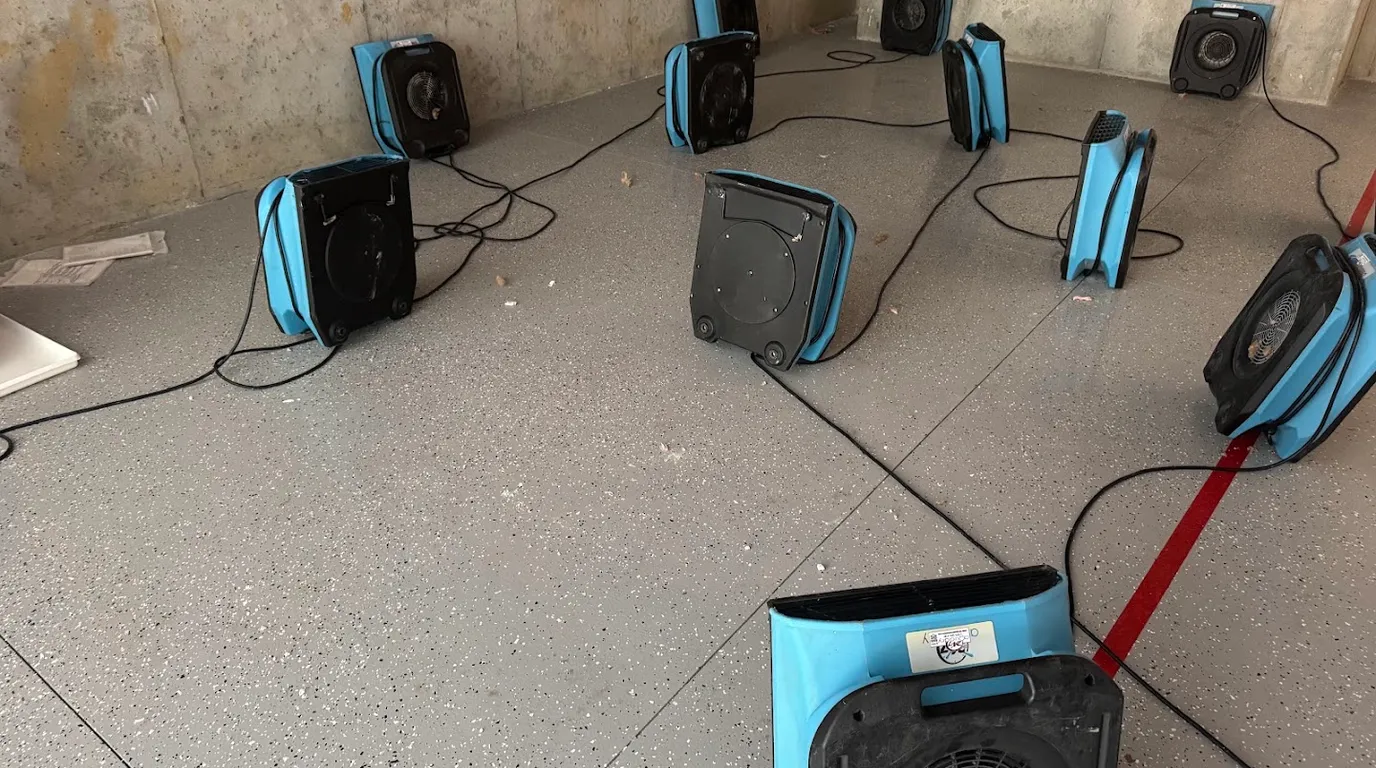
If any of those signs fit, call us. If none of them fit, the choice often comes down to your time and your budget, and handing it off is still a fair call. We handle sewage (Category 3) cleanup, and every job runs the same five steps: response, assessment, mitigation and containment, cleaning and drying, restoration and repairs. We arrive with moisture detection tools, extraction equipment, air movers and dehumidifiers. We document the damage with photos, thermal imaging, moisture readings and daily drying logs, and you get a copy of all of it.
The City’s sewer serves more than 23,000 customers in the greater Rock Hill area, but not every home in York County is on it. The City’s split only covers homes that are. If you’re not sure whether your home is on sewer or septic, find out first, because that decides who you call. On a septic system, a backup can itself be a sign the system is failing. Stay out of contact with the sewage and ask your local health department or regulatory agency what to do, as EPA advises for septic backups. A local septic service provider is the call for the system itself. If another utility sends your sewer bill, ask that utility where its side of the line ends.
Sewer or septic, the cleanup inside the house is the same job. For homes outside Rock Hill, see the York County water damage restoration page.
The Bottom Line on Sewage Backups in Rock Hill
Until the sewer line is clear, your job is to keep everyone safe and keep the mess from growing. Once it drains, call us for the cleanup. We answer the phone 24 hours a day, every day. You can send us a video of the damage, and we’ll estimate from it. Estimates are free, and nothing starts until you say so.