How Long Does Drywall Take to Dry After a Leak in Charlotte?
On this page
How long wet drywall takes to dry depends on the water and the air. In a Charlotte summer, the damp air slows it down. The deadline is clearer: in most cases, mold won’t grow on wet materials dried within 24 to 48 hours, per EPA’s mold and moisture guide. That clock starts with the leak, so get water extraction and drying going as soon as you find it.
How Many Days Does Wet Drywall Need to Dry in a Charlotte Home?
There’s no set number of days. Drywall is dry when moisture readings on the wet area match readings from part of the same wall that stayed dry. Where the water went sets the pace. Say a supply line sprays the face of a wall for a few seconds before you shut it off. That’s a smaller job than a slow drip that has run down inside the wall for days.
Water inside the wall is the slow part. The wall cavity is the hardest area of a wall to dry, and you can’t see or feel the water in there.
Drying is only one stage of the job. Our post on how long water damage restoration takes walks through the rest, rebuild included.
Why You Can’t Go by Feel
You can’t judge a wall by how it looks or by how long the fans have run. There’s no single moisture percentage that means “dry” for drywall, either. Hand-held meters haven’t been shown to read one reliably. What a meter does well is compare one spot with another. That’s why the dry part of the wall is the yardstick. For example, a wall that reads dry at the top and wet near the floor isn’t done, however dry the paint feels.
Readings can also bounce. Water moves from wetter spots toward drier ones, so a spot that reads dry can read wetter later on. Drying isn’t done until the readings hold.
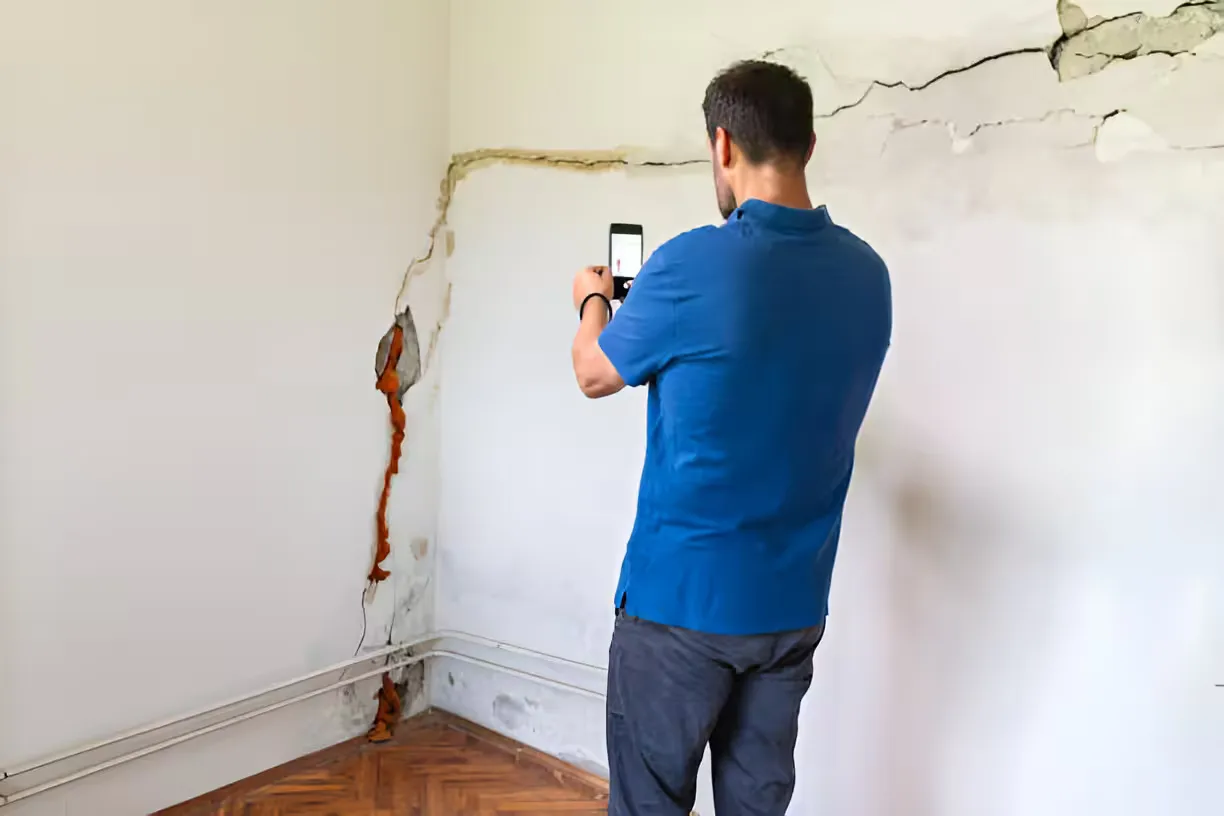
We dry water damage jobs to a measured moisture target, with readings taken daily, not to “looks dry.” We document the damage with photos, thermal imaging, moisture readings and daily drying logs, and you get a copy of all of it.
Does Humid Charlotte Air Change How Fast Drywall Dries?
Yes. Drywall dries by giving its water to the air around it, and the drier that air, the faster it dries. Drying almost stops once the air around a wet material reaches 70 percent relative humidity, according to LSU AgCenter’s flood-recovery FAQ for Louisiana homeowners.
August and September mornings are Charlotte’s most humid, averaging 87 percent outdoor relative humidity in NOAA’s Comparative Climatic Data for 1948 to 2018. So on a muggy morning, opening the windows pulls in air well past the point where drying stalls.
The better move is to dehumidify when outdoor air is warm and humid and save open windows for cold, dry days. First, though, the leak itself has to be fixed, or the wall keeps getting wet. That’s a plumber’s job; ours is the drying and the rebuild.
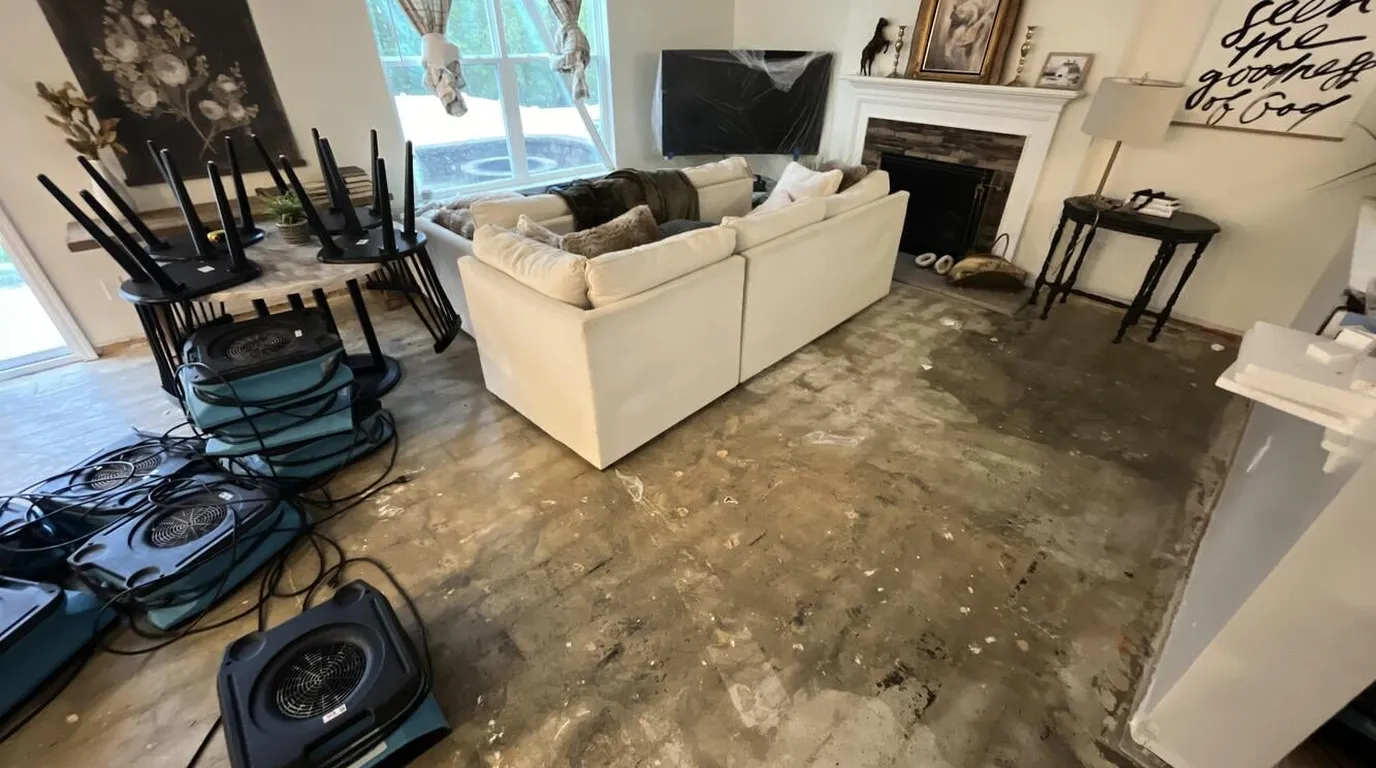
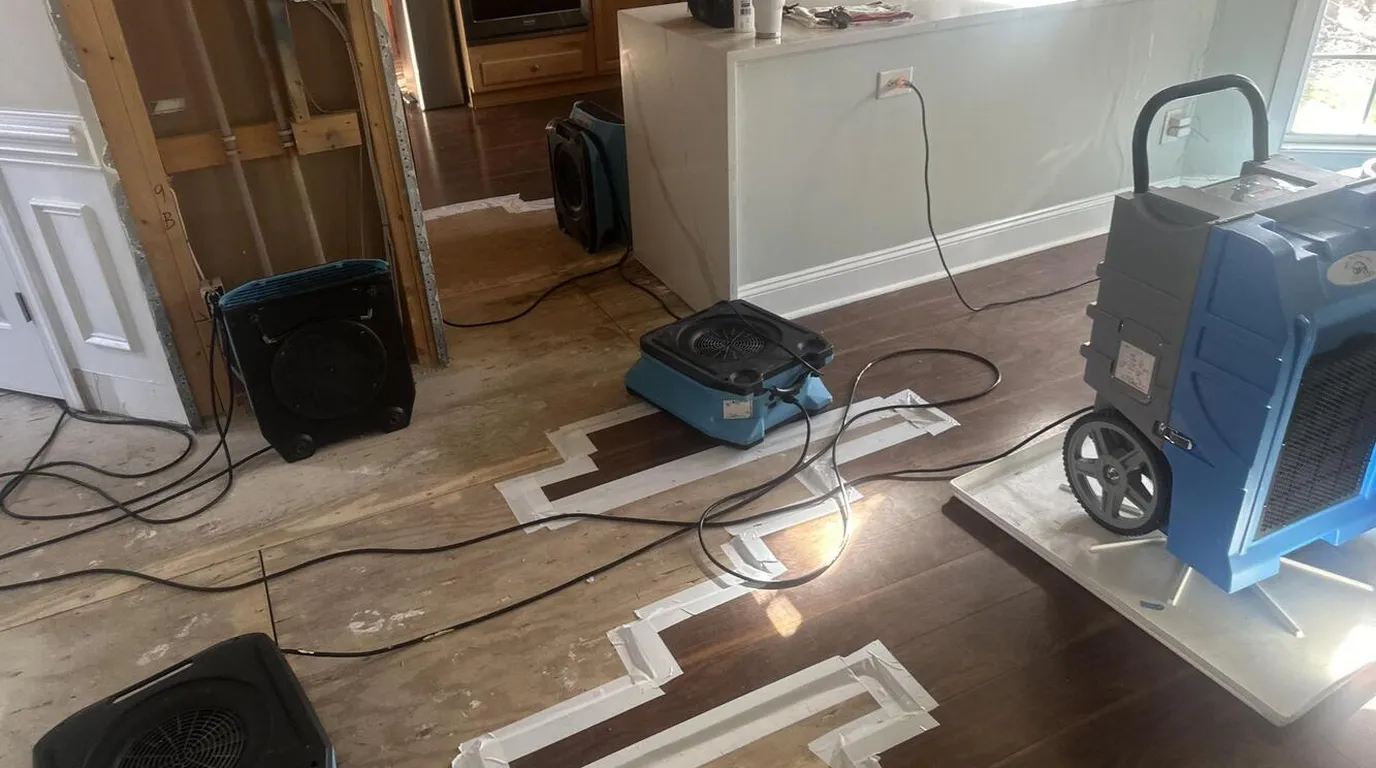
Before any fan goes on, make sure the water was clean, and if you can’t be sure, hold off. If standing water touches an outlet, a cord or a plugged-in appliance, don’t walk into it. Turn the power off from a dry spot, or have an electrician do it. Leave it off until an electrician has checked what the water touched. With clean water and the leak stopped, get any standing water off the floor. Then put a dehumidifier in the wet room. Open closets, cabinets and the doors between rooms so air can move. Aim a fan to push that drier air across the wet wall.
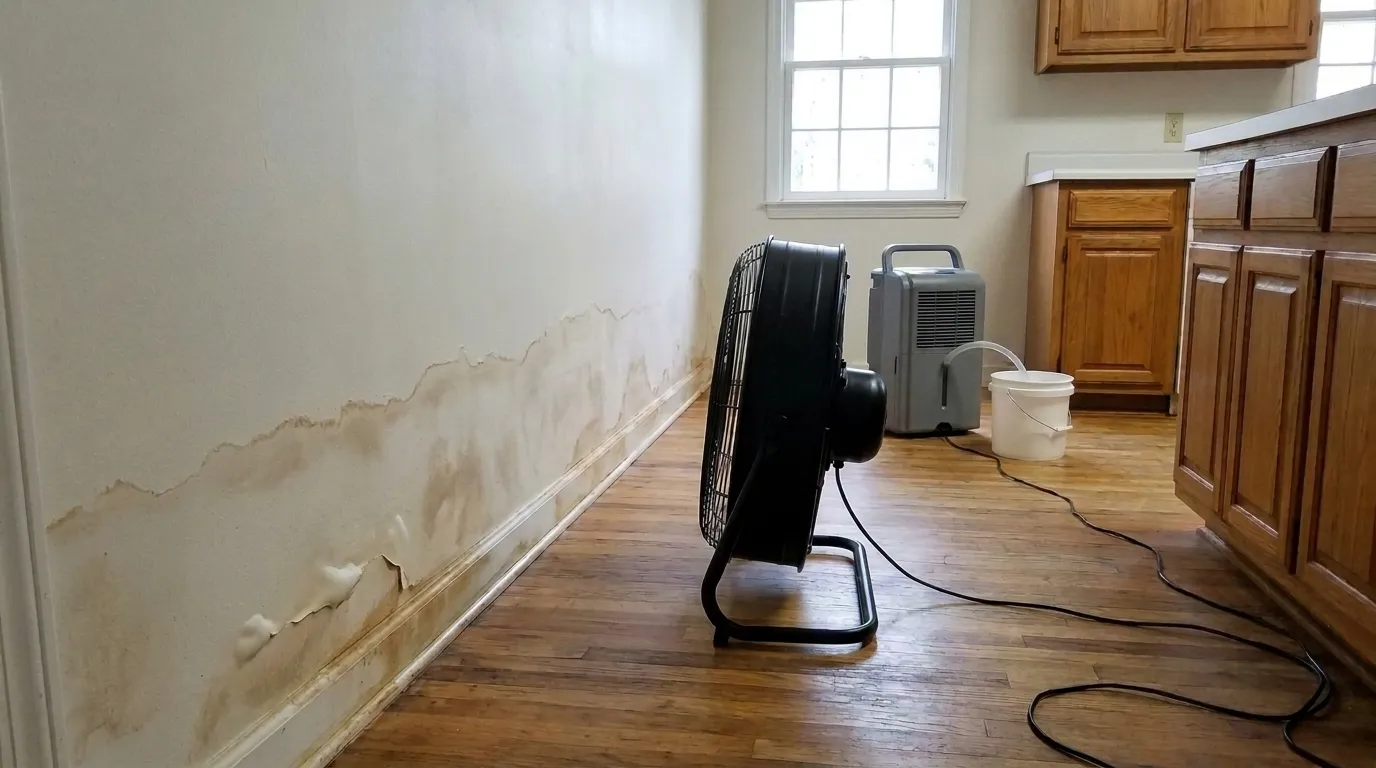
Keep the air conditioning on, too, since it pulls water out of the air as it cools. Don’t run it if the ducts sat in water. If you suspect mold in the system, leave it off too, since running it can spread mold through the house. When you’d rather not do it yourself, our truck arrives carrying moisture detection tools, extraction equipment, air movers and dehumidifiers.
What Happens if Wet Drywall in a Charlotte Home Does Not Dry in Time?
Mold can start on the back of the board, where you won’t see it. A section that could have been dried may then have to come out instead. And the longer mold grows, the more damage it can do to what it’s growing on. It can also cause allergic reactions in sensitive people and set off asthma attacks in some people with asthma who are mold-allergic.
Say a water line under the bathroom sink starts leaking while you’re away for a long weekend. By the time you’re home, the wall has been wet for days, and mold may already have started. Drying the wall at that point doesn’t undo the mold. It has to be cleaned up, and porous materials that get moldy may have to be thrown away. Painting over it doesn’t work either, since paint on a moldy surface is likely to peel.
If mold has already started on your drywall, that’s a job for mold removal, not just drying. Our post on how long mold takes to grow after water damage covers how humid weather changes that timeline.
When Should Wet Drywall Come Out Instead of Drying in Mecklenburg County?
It comes out when the board has swollen or the seams have opened, or when the water wasn’t clean. EPA’s mold course says drywall can be dried in place only if it isn’t visibly swollen and the seams are intact. If it stays, the course says to ventilate the wall cavity behind it.
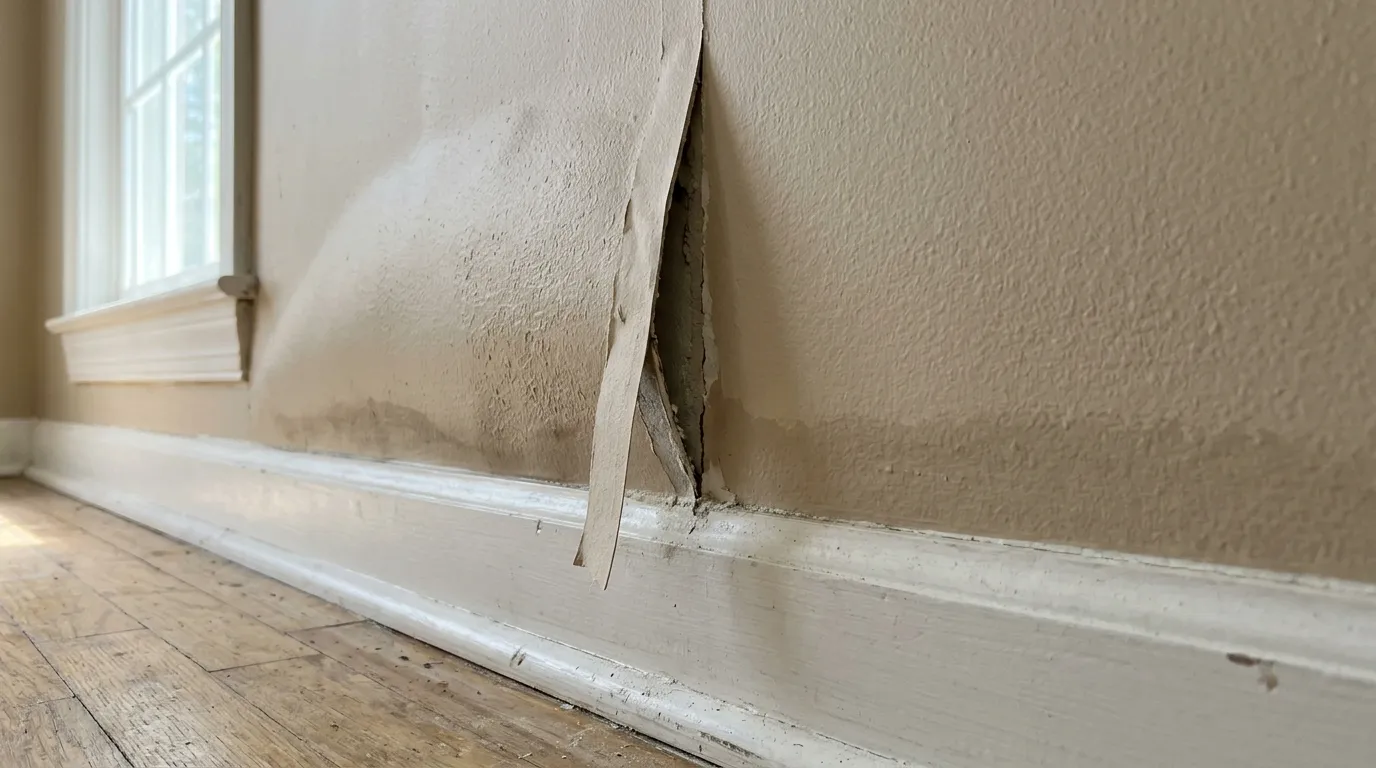
Picture a toilet supply line that leaked into the wall behind it for an afternoon. If the board isn’t swollen and the seams are tight, it’s a drying job. If the bottom of the board has swollen, that section comes out. The sooner it does, the better the rest of the wall dries.
Wet insulation can force the issue even when the board looks fine. Fiberglass and cellulose insulation that gets wet may have to be thrown out, and getting it out means opening the wall.
Dirty water settles it: drywall soaked by sewage or floodwater gets replaced. So does any board you’re unsure about, according to the Gypsum Association’s GA-231 guide to water-damaged gypsum board. Sewage cleanup is a job for a professional, and it’s one we handle.
Board that stays has to be sound, with no rusty screws or nails and no paper peeling off the gypsum. The readings decide the rest. A section that keeps reading wet after the leak is fixed is either still getting water or holding it where air can’t reach. That’s the part that needs opening. Leave that to a professional if mold may be growing behind it. The same goes for an older home, where paint and wall materials can contain lead or asbestos.
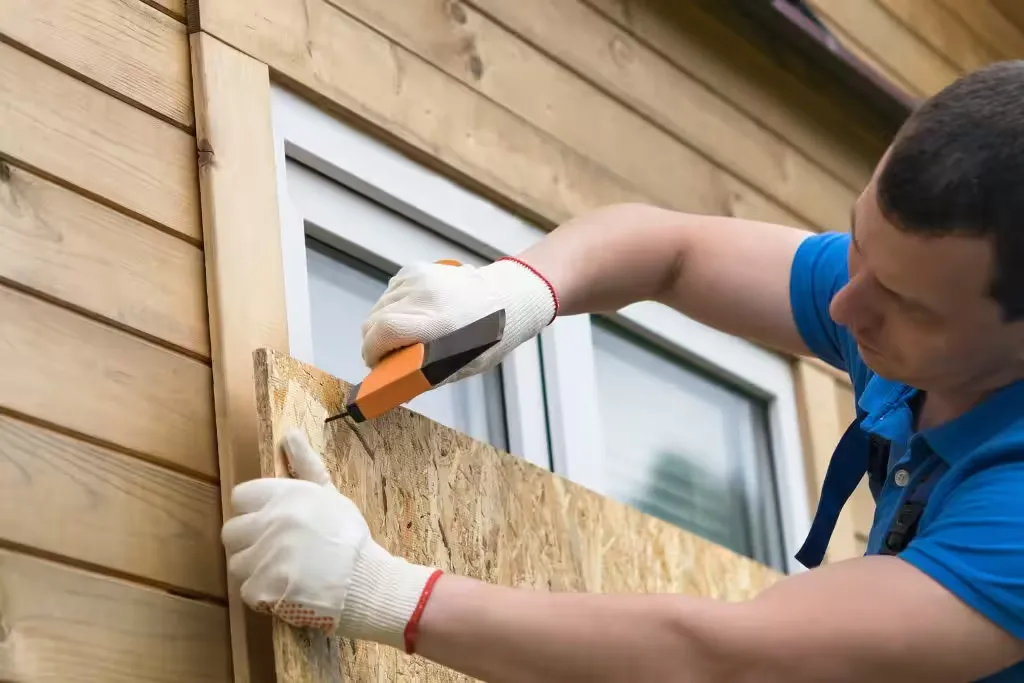
Even board that dries out should get a final check for damage before it’s painted. If a section does come out, we put it back. We’re a licensed general contractor in North Carolina (#83926), so the same company dries the building and does the repairs.
What About a Wet Ceiling?
Ceiling drywall is harder to judge, because you can’t see what’s sitting on top of it from below. Ceilings, like the space behind walls, often get overlooked and aren’t dried carefully. If a wet ceiling is sagging or bulging, keep everyone, pets included, out from under it and call a professional.
The Bottom Line on Drying Drywall in Charlotte
A wet wall is done when the readings say so, and what you control is how fast the drying starts. If you’ve just found a leak, call us before you open the windows or patch anything. If you rent, tell your landlord or building manager about the leak right away, too. We answer the phone every hour of every day. Estimates are free, and nothing starts until you say so. You can also send us a video of the damage, and we’ll estimate from it.
If the leak reached floors or ceilings as well, read about water damage restoration across Mecklenburg County.